
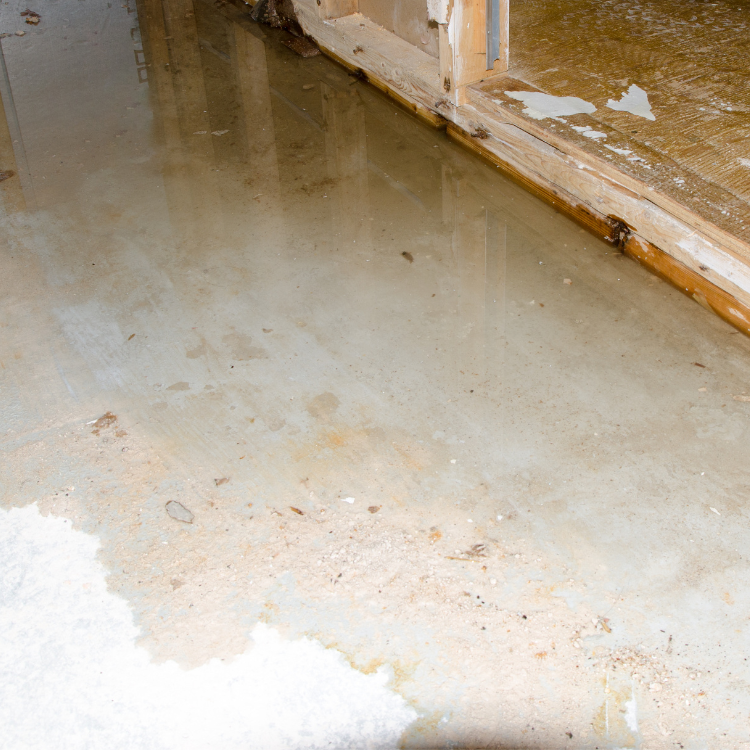
Leak Location: Identifying Hidden Water Damage
On a hot August afternoon in Keller, a local business owner noticed a faint musty odor in their office break room. No visible water, no dripping sounds—just a smell that wouldn’t go away. By the time they called for help, a slow leak behind the wall had already damaged the drywall, warped the baseboards, and crept under the flooring. What could have been a small repair turned into a multi-thousand-dollar restoration project.
Hidden water damage like this is surprisingly common in North Texas. The EPA estimates that household leaks waste nearly 1 trillion gallons of water nationwide each year, and many of those leaks go undetected for months. In commercial buildings, even a tiny leak can add hundreds of dollars to a water bill and threaten equipment, inventory, or tenant spaces.
In this guide, you’ll learn how professional leak location works, how to spot early warning signs in your Keller home or business, why slab and foundation leaks are so serious, and what modern, non-destructive methods can save you time, money, and disruption.
Key Insight: The faster you pinpoint the exact source of a hidden leak, the less damage you’ll face—and modern, professional leak detection makes that possible without tearing your property apart.
Why Hidden Leaks Are So Dangerous for Keller Properties
Hidden leaks rarely announce themselves with a dramatic burst pipe. More often, they start as a pinhole in a copper line, a loose fitting under a slab, or a hairline crack in an aging drain. Over time, that “small” problem quietly spreads.
In Keller and the greater Tarrant County area, several factors make hidden leaks especially risky:
- Our clay-rich soil expands when wet and contracts when dry, putting stress on underground water and sewer lines.
- Many homes and businesses sit on concrete slabs, which can hide leaks for months.
- Seasonal temperature swings and drought conditions can shift foundations and stress pipes.
A typical scenario we see: a Keller homeowner notices a warm spot on their living room floor and a slightly higher water bill. They ignore it for a few months, assuming it’s just their imagination. By the time they call for Hidden Water Leak Detection, there’s already moisture wicking up into the walls and mold starting behind the baseboards.
“Water always takes the path of least resistance—but not always the path you expect.” — Master Plumber, All Source Plumbing
Left unchecked, hidden leaks can lead to:
- Structural damage to your slab and framing
- Mold growth and air quality issues
- Rotting subfloors and warped hardwoods
- Higher utility bills and wasted water
- Business downtime or tenant complaints
Understanding how leaks behave under a slab, in walls, and in concealed plumbing is the first step in protecting your property and budget.
How Professional Leak Detection Actually Works (Without Destroying Your Property)
Many Keller property owners still think leak detection means ripping up floors or punching holes in walls until someone “gets lucky.” Modern Professional Leak Detection is very different.
Licensed plumbers now combine several diagnostic tools and methods to pinpoint leaks with minimal disruption:
Common Technologies Used
- Acoustic listening devices
Sensitive equipment that “hears” the sound of escaping water through concrete, soil, and walls.
- Thermal imaging cameras
Detect temperature differences caused by hot or cold water leaks behind surfaces.
- Hydrostatic testing
Controlled pressurization of drain or water systems to confirm the presence and location of leaks. (See our Hydrostatic Testing services.)
- Line locating and tracing
Electronic tools that map where your underground or in-slab pipes actually run—crucial for accurate targeting.
- Moisture meters and borescopes
Tools that allow targeted inspection of walls, ceilings, and floors without major demolition.
A recent case in Keller involved a small office building with recurring moisture along one interior wall. Rather than cutting open 20 feet of drywall, we used thermal imaging and acoustic tools to isolate the problem to a specific elbow joint in the wall. Only a small access opening was needed, cutting repair time and cost significantly.
“The goal isn’t just to find the leak—it’s to find it precisely enough that repairs are as small and clean as possible.”
Slab Leaks and Foundation Leaks: Why They’re a Big Deal in North Texas
Slab and foundation leaks are some of the most serious plumbing issues we see in Keller. Because most homes and many commercial buildings sit on concrete slabs, water lines often run under or through that concrete. When a line fails, you get a slab leak.
Common Signs of a Slab Leak
- Unexplained warm or cold spots on floors
- Cracks appearing in tile, drywall, or the foundation
- The sound of running water when fixtures are off
- Increased water bills with no visible leaks
- Damp carpet or buckling wood floors
A Keller family in an older subdivision noticed their dog always lying on the same “warm” area of the living room floor. Months later, they realized that spot was caused by a hot water line leaking under the slab. Our team performed specialized Slab Leak Detection Service, pinpointed the exact section of pipe, and repaired it with minimal disruption instead of trenching half the house.
Why Slab Leaks Matter
- Structural risk: Persistent moisture can weaken the soil supporting your foundation.
- Mold and air quality: Moisture under flooring can create hidden mold pockets.
- Energy waste: Hot water leaks drive up gas or electric bills.
- Escalating damage: What starts as a slow seep can eventually undermine your slab.
Here’s how traditional vs modern approaches compare for slab leaks:
| Approach | Typical Process | Impact on Property | Time & Cost in Keller (Approx.) |
|---|---|---|---|
| Traditional “search and destroy” | Break concrete in suspected areas, search by eye | High damage, patchwork repairs | More days on site, higher restoration |
| Modern non-destructive detection | Use acoustic, thermal, and Hydrostatic Testing to locate leak | Minimal targeted access | Faster repairs, lower overall cost |
From Detection to Repair: What Happens After the Leak Is Found
Finding the leak is only half the battle. The next step is choosing the right repair strategy for your situation, budget, and long-term plans for the property.
Common Repair Options
- Direct spot repair
Access the leaking section of pipe (through slab, wall, or soil) and repair or replace that segment. Often the most cost-effective for newer systems with isolated issues.
- Reroute / bypass
Abandon the leaking line under the slab and run a new line through walls or attic space. This is common for older homes with multiple under-slab issues.
- Repiping sections or entire systems
When leaks are frequent or the piping material is at the end of its life, Piping & Repiping may be the smartest long-term move.
- Trenchless repair or replacement
For sewer and drain lines, Trenchless Sewer Replacement or Sewer Drain Repair can fix damaged lines with minimal digging.
A Keller strip center we worked on had a failing sewer line under the parking lot. Traditional excavation would have meant tearing up multiple parking spaces and disrupting tenants. Instead, we used a trenchless method to replace the main drain line, keeping the businesses open and significantly reducing surface restoration costs.
“The best repair isn’t just the cheapest today—it’s the one that prevents repeat problems tomorrow.”
Protecting Drains, Sewer Lines, and Water Quality Before Leaks Start
Not every water problem starts with a burst line. Clogged or damaged drains and sewer lines can cause backups that look like leaks or create enough pressure to crack aging pipes.
In Keller, tree roots, shifting soil, and older clay or cast-iron sewer lines are common culprits. That’s why proactive maintenance is so important—especially for commercial properties, restaurants, and multi-family buildings.
Key Preventive Services
- Drain Cleaning & Hydro Jetting
Regular Drain Cleaning Services and Hydro Jet Drain Cleaning clear grease, scale, and roots before they cause major blockages or pipe damage.
- Targeted Drain Repair
When a section of pipe is cracked or sagging, Drain Repair Service or Main Drain Line Repair can restore proper flow and prevent leaks or backups.
- Water filtration and softening
Hard water in North Texas can accelerate pipe corrosion and reduce the life of fixtures and water heaters. Professional Water Filter & Softener Installation helps protect your plumbing system and improve water quality.
One Keller restaurant we service used to have quarterly backups in their kitchen drain line. After a camera inspection, we recommended scheduled hydro jetting and minor drain line repairs. The result: no more surprise backups during peak hours and a longer lifespan for their existing drain infrastructure.
Modern Plumbing Upgrades That Help Prevent Future Leaks
Once you’ve dealt with a leak, you naturally want to reduce the odds of another one. Some strategic upgrades can dramatically lower your risk of hidden water damage while improving efficiency and comfort.
Tankless Water Heaters
Traditional tank heaters can leak as they age, sometimes flooding garages or closets. Upgrading to a Tankless Water Heater can:
- Eliminate the large tank of stored water (and its leak risk)
- Provide endless hot water for busy households or businesses
- Improve energy efficiency and lower utility bills
Whether you’re considering a Gas Tankless Water Heater or an electric model, proper Tankless Water Heater Installation and regular Tankless Water Heater Maintenance are critical to long-term performance.
Smart Fixtures and Updated Piping
- New fixture installation: Upgrading toilets, faucets, and valves with professional Fixture Repair & Installation reduces the risk of slow, unnoticed leaks.
- Toilet upgrades: Modern toilets installed by a licensed pro (Toilet Repair & Installation) are less prone to running and leaking at the base.
- Repiping older homes: Replacing aging galvanized or problematic piping materials with modern options can eliminate recurring leaks and pressure problems.
Here’s a quick comparison of older vs upgraded systems:
| System/Fixture | Older Setup (Common Issues) | Upgraded Setup (Benefits) |
|---|---|---|
| Conventional water heater | Tank leaks, limited hot water, sediment | Tankless system, less leak risk, higher efficiency |
| Galvanized piping | Corrosion, low pressure, pinhole leaks | Modern PEX/copper, fewer leaks, better flow |
| Older toilets/fixtures | Constant running, wax ring leaks, drips | Water-saving fixtures, tighter seals, fewer leaks |
A Keller homeowner in a 1980s build chose to repipe and upgrade to a tankless heater after multiple slab and wall leaks. Their water pressure improved, utility bills dropped, and they gained peace of mind knowing that aging pipes were no longer a hidden liability.
“Plumbing upgrades aren’t just about comfort—they’re about risk reduction and long-term value.”
What This Means for Businesses in Keller, TX
For Keller businesses—whether you operate a medical office off Keller Parkway, a restaurant near Old Town, or a warehouse along 377—hidden water damage is more than a maintenance issue. It’s a business risk.
Undetected leaks can:
- Force you to close sections of your space for repairs
- Damage inventory, equipment, and tenant improvements
- Create safety hazards for staff and customers
- Lead to mold or sanitation issues that hurt your reputation
Because commercial buildings often have more complex plumbing systems—multiple restrooms, break rooms, tenant spaces, and long runs of pipe—Commercial Leak Detection requires both the right tools and the right experience.
Keller’s growing business community also faces unique challenges:
- Shared infrastructure in retail centers and office parks means one tenant’s leak can impact others.
- High occupancy in multi-tenant spaces can make scheduling repairs tricky without the right planning.
- Code requirements for medical, food service, and childcare facilities demand quick, professional solutions.
Working with a local team that understands Keller’s building stock and soil conditions helps you:
- Respond quickly with Emergency Leak Detection Service when something goes wrong
- Plan proactive maintenance for drains, water heaters, and fixtures
- Make informed decisions about repair vs replacement, especially for older properties
For many businesses, a small investment in professional leak location and preventive services can prevent far more expensive downtime and damage later.
Frequently Asked Questions
Q: How do I know if I really need professional leak detection or if it’s just a minor issue?
A: If you have an unexplained spike in your water bill, persistent musty odors, hot or cold spots on floors, or the sound of water running when everything is off, it’s wise to schedule Residential Leak Detection. In Keller, soil movement and slab foundations mean leaks don’t always show on the surface. A licensed plumber can use acoustic listening, thermal imaging, and Water Leak Detection methods to confirm whether there’s a problem before it causes major damage. Ignoring early signs often turns a “minor issue” into a major repair involving flooring, drywall, and even foundation work.
Q: What’s different about slab leak detection compared to other leaks?
A: Slab Leak Detection focuses on water lines that run under or through your concrete foundation. Because the leak is hidden by the slab, plumbers use specialized tools to perform Under Slab Leak Detection—listening devices, thermal cameras, and sometimes Foundation Leak Detection tests. The goal is to locate the leak precisely enough to minimize how much concrete must be opened. In Keller’s clay soil, these leaks can also affect your foundation stability, so accurate, non-destructive detection is critical to both plumbing and structural health.
Q: Will leak detection damage my floors, walls, or landscaping?
A: Modern Non-Destructive Leak Detection is designed to avoid unnecessary damage. Most of the process uses external tools—acoustic equipment, thermal imaging, and pressure tests. In some cases, a small access opening may be needed for confirmation or repair, but this is far less invasive than old “search and destroy” methods. For sewer and drain issues, options like Trenchless Sewer Replacement and targeted Sewer Drain Repair allow Keller property owners to fix problems with minimal digging and surface restoration.
Q: How urgent is a suspected slab leak or drain leak—can I wait a few months?
A: Waiting is risky. A slow slab leak can wash out soil under your foundation, cause cracks in walls and floors, and create hidden mold pockets. Similarly, a compromised drain line can lead to sudden backups or even sewage leaks. In Keller’s climate, with expansive clay soil, moisture changes beneath your slab can make structural issues worse over time. If you suspect a problem, scheduling Slab Leak Location or Drain Repair Service now almost always costs less than dealing with compounded damage later.
Q: Are tankless water heaters really less likely to leak than traditional tanks?
A: While no system is immune to leaks, a properly installed Tankless Water Heater eliminates the large storage tank that often fails on traditional units. That means you’re less likely to wake up to a flooded garage or closet. Tankless systems, whether gas or electric, also experience different types of wear. With regular Tankless Water Heater Service—such as descaling in our hard North Texas water—they can last longer and operate more efficiently. For many Keller homeowners, the combination of reduced leak risk and energy savings makes Tankless Water Heater Installation a smart upgrade.
Q: What should I do if I have a plumbing emergency after hours or on a weekend?
A: If you experience a sudden leak, burst pipe, or major backup, shut off the main water supply if it’s safe to do so, and then call for Emergency Leak Detection Service. All Source Plumbing provides rapid response in Keller and surrounding areas for emergencies involving water, sewer, and even gas lines. Our team can perform quick Water, Sewer & Gas Diagnostics, contain the issue, and begin repairs. Acting quickly reduces damage to flooring, walls, and personal property—and can make the difference between a small restoration job and a full-scale remediation project.
Q: How often should businesses schedule preventive plumbing inspections?
A: For most Keller businesses, an annual plumbing check-up is a smart baseline. High-usage facilities—restaurants, medical offices, salons, and multi-tenant buildings—may benefit from semiannual Drain Cleaning, Hydro Jet Drain Cleaning, and system inspections. Regular reviews of water heaters, backflow devices, visible piping, and fixtures, plus periodic camera inspections of main drain lines, help catch issues before they become emergencies. When combined with on-call General Plumbing Repairs, this approach minimizes downtime and unexpected costs.
Ready to Get Started?
Hidden leaks don’t fix themselves. Every day a concealed water or drain issue goes unchecked, it has more time to damage your slab, walls, floors, and the spaces you rely on to live and work. Keller’s soil conditions and slab foundations make precise, professional leak location especially important—guesswork and “patch jobs” can end up costing far more in the long run.
If you’ve noticed suspicious signs—a stubborn musty smell, a water bill that keeps creeping up, warm spots on the floor, or recurring drain issues—this is the right moment to act. All Source Plumbing can quickly assess your situation, perform targeted Leak Location Service, and walk you through clear repair options that fit your property and budget.
You don’t have to navigate this alone. Our licensed, insured team has years of experience with Keller homes and businesses, from slab leak plumbing repair to Drain Line Replacement, Water Heater Repair & Installation, and more. Reach out today, and take the first step toward protecting your property from hidden water damage.
About All Source Plumbing
All Source Plumbing is a locally owned, full-service plumbing company based in Keller, TX, serving homeowners and businesses throughout Tarrant County. Our licensed technicians specialize in advanced Leak Detection, Slab Leak Repair, Drain Repair, and modern upgrades like Tankless Water Heater Replacement. Known for honest recommendations, clean work, and fast response—including Emergency Plumbing—we’re committed to protecting Keller properties from hidden water damage and keeping your plumbing running reliably year-round.