
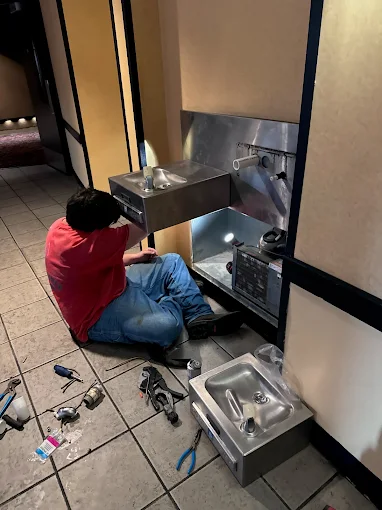
The first sign was a faint hissing sound behind the drywall in the hallway, just loud enough to notice at night when the house finally went quiet. At first, it seemed harmless, maybe the air conditioner or an old vent. A week later, the baseboard started to swell, paint began to bubble, and a musty smell settled in. By the time the homeowner called for help, a small, hidden pipe leak had turned into a costly repair involving mold remediation and replacement of flooring and drywall.
Stories like this are far more common than most people realize, and they usually have one thing in common: the leak went unnoticed for too long because no one knew how to track it down early. Leak location detection methods for homeowners are not just about fancy tools or professional services; they’re about understanding how water behaves in a house, what early warning signs look like, and what practical steps you can take before damage spreads. With a mix of simple do-it-yourself checks and more advanced techniques, you can often narrow down where a leak is hiding long before it becomes a disaster.
Whether you own a new build or an older home with character (and quirks), learning how to detect and locate leaks is one of the most valuable skills you can develop. You don’t need to become a plumber, but you do need a basic toolkit of methods: visual inspection techniques, meter tests, sound-based checks, moisture detection, and knowing when to call in specialized leak detection services. This guide walks through those methods in detail so you can protect your home, your budget, and your peace of mind.
Understanding How Leaks Hide
Before diving into specific leak location detection methods for homeowners, it helps to understand how and where leaks typically form. In most homes, pressurized water lines run behind walls, under floors, and sometimes through ceilings. A pinhole leak in a pressurized line can release a surprising amount of water over time, but because it is hidden, you may only see indirect clues: stains, warping, or an unexplained increase in your water bill. Drain lines, on the other hand, usually leak only when water is actively running, so evidence might appear as intermittent drips, odors, or dampness in specific areas.
Water also has a frustrating habit of traveling along the path of least resistance. This means the wet spot you see on the ceiling does not necessarily sit directly under the leak. Instead, water may run along joists, pipes, or wiring, then show up several feet away from the actual source. Homeowners often waste time repairing the visible damage without tracking the true origin of the leak, only to have the problem return. Understanding that water migrates helps you think more like an investigator than a casual observer.
Another factor is time. Some leaks are sudden and obvious, like a burst pipe or a failed water heater. Others are slow, such as a loose fitting under a sink dripping into the cabinet or a minor roof leak that only appears during heavy rain. These slow leaks are the most dangerous because they can cause hidden rot and mold. Good leak location detection methods focus not just on what you can see, but on catching those subtle, early-stage issues as well.
Visual Inspection And Simple Checks
The starting point for most homeowners is a thorough visual and tactile inspection. This is the lowest-cost, most accessible leak detection method, and when done carefully, it can reveal a surprising amount. Begin by walking through your home and looking closely at ceilings, walls, and floors for discoloration, bubbling paint, cracks, or sagging areas. Pay special attention to rooms beneath bathrooms, laundry rooms, and kitchens because leaks from above will often show up there first.
Run your hands along baseboards and around window sills to feel for dampness or warping. Check under sinks, behind toilets, and around bathtubs and showers. Use a flashlight to look into dark corners and behind stored items in cabinets, where small leaks often remain hidden. If you notice musty odors, that is often a sign of long-term moisture even if you do not yet see visible mold. Odor is an important clue that should not be ignored, especially in basements, crawl spaces, and closets.
Outside the home, walk the perimeter and look at the foundation for damp spots, efflorescence (a white, powdery substance on concrete), or areas where soil remains wet long after rain has stopped. Check hose bibs, irrigation connections, and outdoor faucets for drips. Simple visual inspection methods are not perfect, but they give you a first map of possible problem zones and can help you decide which areas need more advanced testing.
Using Your Water Meter As A Detective Tool
One of the most powerful leak location detection methods for homeowners requires no special tools beyond what you already have: your water meter. The meter can tell you if you have a hidden leak, even if you cannot see or hear anything unusual. Start by turning off all water-using fixtures and appliances inside and outside the home. This includes faucets, showers, dishwashers, washing machines, ice makers, and irrigation systems. Once you are sure no water is intentionally running, go to your meter box.
Most modern meters have a small indicator, sometimes called a leak dial, that spins when water is flowing. If everything is off and that dial is still moving, water is going somewhere it should not. For a more precise check, note the meter reading, wait 30–60 minutes without using any water, then read it again. Any change in the reading suggests a leak. A slow leak may result in a small change, but over days or weeks, that adds up to significant water loss and potential damage.
Once you confirm there is a leak, you can use the main shutoff valve to narrow its location. Turn off the main valve that supplies water to the house. If the meter stops when you do this, the leak is likely inside the home’s plumbing system. If the meter continues to move, the leak may be between the meter and the house, often in the service line buried underground. This simple process does not pinpoint the exact spot, but it tells you where to focus your search and whether you may need professional underground leak detection.
Listening, Feeling, And Low-Tech Methods
Not all leaks are visible; some are easier to find with your ears and hands than with your eyes. In a quiet house, turn off all appliances and listen along walls, floors, and ceilings near suspected plumbing runs. A high-pressure leak can sometimes be heard as a hiss or gentle whooshing sound. Placing your ear against the wall or using a simple mechanic’s stethoscope (or even a long screwdriver with the handle against your ear) can amplify subtle noises in some cases.
Feeling for temperature changes is another surprisingly effective low-tech method. Warm water supply lines that leak behind a wall or under a floor can create a localized warm spot. Bare feet on tile or hardwood can often detect this better than hands. Similarly, a cold-water leak might create a cool, damp patch in drywall or flooring. Move slowly and methodically, comparing different areas of the same room to identify anomalies.
There are also simple DIY tests for specific fixtures. For toilets, a common hidden leak source, you can place a few drops of food coloring in the tank and wait 15–20 minutes without flushing. If color appears in the bowl, the flapper or flush valve is leaking. For showers and tubs, plug the drain, fill the basin partially, and mark the water level; if it drops without anyone using the fixture, the drain assembly or tub may be leaking. These basic methods cost almost nothing yet can quickly reveal localized leak sources.
Moisture Meters, Infrared, And Modern Tools
For homeowners willing to invest in tools, modern leak detection technology can dramatically improve your ability to locate hidden moisture. A handheld moisture meter, which can be found at many home improvement stores, measures the moisture content of materials like drywall, wood, and flooring. By taking readings across a wall or floor and comparing dry and damp areas, you can map out the extent of moisture and narrow down the most saturated zone, which is often closest to the leak source.
Infrared (thermal) cameras, once reserved for professionals, are now available in more affordable consumer versions and even smartphone attachments. These cameras detect temperature differences on surfaces. While they do not see water directly, they reveal cooler or warmer areas where moisture is present or where wet insulation affects heat transfer. For example, a cold, damp patch in a ceiling after a rainstorm will often appear as a distinct shape on an infrared image, guiding you toward a roof or pipe leak.
It is important to understand that these tools require interpretation. A cooler spot on a wall could be a leak, but it could also be a draft, missing insulation, or simply a shaded area. Combining infrared or moisture meter readings with visual inspection, meter tests, and sound-based checks gives you a more reliable picture. Many homeowners choose to use these tools as a first pass and then bring in a professional if the results are confusing or if the affected area is large.
When To Call Professional Leak Detection
Even with the best DIY methods, some leaks are simply too complex or too well hidden for a homeowner to locate accurately. Professional leak detection companies use advanced equipment such as acoustic listening devices, tracer gas systems, and high-resolution thermal imaging to pinpoint leaks with minimal damage to your home. This can be especially valuable for slab leaks (leaks in pipes beneath concrete floors), underground service line leaks, and complex multi-story plumbing systems.
Acoustic leak detection uses sensitive microphones and amplifiers to listen for the specific sound frequencies created by pressurized water escaping from pipes. Technicians compare sounds at different access points to triangulate the leak’s location. Tracer gas methods involve introducing a safe, inert gas into the plumbing system and using detectors to find where it escapes. These methods are far more precise than random drilling or breaking into walls based on guesswork.
Homeowners should consider calling a professional if the water meter indicates a leak but no visible or audible clues can be found, if there are signs of a slab leak (warm spots on the floor, cracks, or unexplained water pooling), or if previous repair attempts have failed. While professional services have a cost, they often save money in the long run by avoiding unnecessary demolition and by resolving the problem before it causes structural damage. For more information about professional services and advanced methods, you can visit null.
Preventive Strategies And Ongoing Monitoring
Leak location detection methods for homeowners are most effective when combined with a preventive mindset. Instead of waiting for obvious damage, schedule regular inspections of high-risk areas: under sinks, around water heaters, behind washing machines, and in basements or crawl spaces. Look for corrosion on pipes, loose fittings, and aging supply lines, especially braided hoses to appliances, which can weaken over time.
Consider installing smart leak detectors or water sensors in critical spots, such as under the water heater, behind toilets, near sump pumps, and under sinks. These devices can alert you via sound or smartphone notifications when they detect moisture, giving you time to investigate before serious damage occurs. Some advanced systems integrate with automatic shutoff valves, which can cut off the water supply if a major leak is detected while you are away from home.
Routine maintenance also plays a role in leak prevention. Flushing your water heater, replacing worn toilet flappers, tightening loose connections, and inspecting roof flashing and caulking can all reduce the likelihood of leaks forming. By combining preventive care with the detection methods described above, you create multiple layers of protection around your home, greatly reducing the chances of being surprised by costly water damage.
Frequently Asked Questions
How can I tell if I have a hidden leak if I do not see any water? Hidden leaks often reveal themselves through indirect signs rather than obvious puddles. Watch for an unexplained increase in your water bill, the sound of running or hissing water when everything is turned off, musty odors, or warm and cold spots on floors and walls. Using your water meter as a test, by shutting off all fixtures and observing if the meter continues to move, is one of the most reliable ways to confirm a hidden leak even when no visible water is present.
What is the best first step if I suspect a leak but cannot find it? Start by performing a meter test: turn off all water-using devices and check if the meter dial continues to move. If it does, you know a leak exists. Next, conduct a careful visual and tactile inspection of common problem areas such as under sinks, around toilets, near the water heater, and in ceilings below bathrooms. If you still cannot locate the source, use simple tests like toilet dye checks, listening for sounds in quiet conditions, and feeling for temperature changes on floors and walls to narrow down the possibilities.
Are moisture meters and infrared cameras worth it for homeowners? For many homeowners, a basic moisture meter is a worthwhile investment, especially in areas prone to leaks or high humidity. It helps distinguish between dry and damp materials and can show how far moisture has spread. Infrared cameras are more expensive but can be very helpful in certain situations, such as detecting roof leaks or hidden pipe leaks behind large wall or ceiling areas. If you face recurring leak issues or own a larger home, these tools can pay off by helping you identify problems earlier and reduce guesswork.
When should I stop DIY efforts and call a professional leak detection service? It is wise to call a professional when the water meter confirms a leak but you cannot find any clues, when you suspect a slab or underground leak, or when visible damage is widespread and you need to minimize further demolition. You should also seek help if previous repairs have not resolved the issue or if the leak is in a complex or inaccessible area. Professionals have specialized equipment and experience that allow them to pinpoint leaks accurately, often saving time, money, and unnecessary damage to your home.
Can small, slow leaks really cause serious damage over time? Yes, slow leaks are often more destructive than sudden, obvious ones because they can go undetected for months or even years. Continuous moisture can weaken structural elements, rot wood framing, damage insulation, and create ideal conditions for mold growth. Even a minor drip under a sink or behind a wall can lead to costly repairs if ignored. That is why regular inspections, early leak location detection methods, and prompt repairs are essential parts of responsible homeownership.