
Water has a way of disappearing before you ever see the real problem. A small drip inside a wall, a pinhole leak under a slab, or a slow line seep in the yard can quietly waste thousands of gallons and cause serious structural damage. That is why knowing how to resolve your leak location issues matters right now, not “someday.” In Keller, TX, where many homes combine slab foundations with complex plumbing layouts, guessing where a leak is hiding is a fast track to unnecessary demolition, higher repair bills, and a lot of frustration.
Homeowners often notice symptoms long before they know where the leak actually is: higher water bills without explanation, warm spots on the floor, damp carpet, moldy smells, or the sound of water running when no fixtures are on. The real challenge is not just fixing the leak—it’s finding it accurately and efficiently. This is where leak location turns from a DIY guessing game into a job for trained professionals with the right tools. When you understand what causes leak location confusion and how professionals like All Source Plumbing in Keller, TX approach it, you can make smarter, faster decisions that protect your home and your budget.
Instead of tearing into walls or jackhammering slab at random, modern leak detection uses a combination of technology, plumbing knowledge, and methodical testing. Once you understand that process, you can better communicate with your plumber, avoid common mistakes, and know what to expect from a proper diagnosis. The goal is simple: pinpoint the problem with the least amount of disruption, then fix it right the first time.
Why Leak Location Is So Tricky
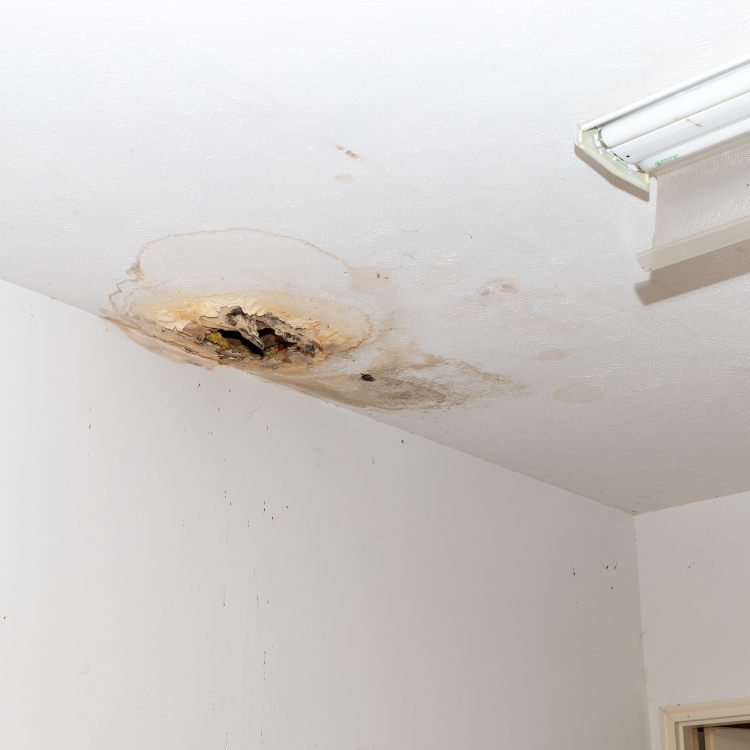
One of the first things to understand is that water rarely shows up where the leak actually is. It follows the path of least resistance, traveling along pipes, studs, insulation, and flooring materials before finally becoming visible as a stain, puddle, or warped surface. That means the wet spot on your ceiling might be several feet away from the actual pipe break, or the damp area in your yard may only be the lowest point where water is surfacing. This disconnect between symptom and source is what creates “leak location issues” for many homeowners.
In Keller, TX, many homes sit on concrete slabs with water lines and drain lines buried underneath. When a pipe leaks below the slab, you may not see water at all—only a warm patch of floor, a constantly running meter, or a mysterious increase in water usage. Trying to find that leak by breaking concrete without a plan can cause more damage than the leak itself. That is why accurate location is just as important as quality repair.
Another factor is the variety of plumbing materials and layouts. Older homes might have galvanized steel or copper lines routed differently than newer builds with PEX systems. Each pipe material fails in its own way, and each layout changes how water travels when there’s a leak. A plumber who understands local building practices in Keller can often narrow down likely problem areas faster just from experience, but they still rely on systematic testing and technology to confirm the exact location.
Spotting The Early Warning Signs
Before you can resolve leak location issues, you need to recognize the signs that a hidden leak might exist. One of the most common clues is an unexplained spike in your water bill. If your usage pattern hasn’t changed—no new irrigation schedule, no guests staying over—but your bill has jumped, that often indicates water is running somewhere you can’t see. In these cases, Keller homeowners should first rule out obvious causes like running toilets or dripping faucets, then consider a hidden supply line leak as a real possibility.
Physical changes inside the home can be even more telling. You might notice soft or warped flooring, bubbling paint, discoloration on walls or ceilings, or a musty odor that doesn’t go away. In slab homes, a hot water leak under the concrete can create a persistent warm spot on the floor. These are not cosmetic issues; they are signs that water has been present long enough to start affecting your building materials. The longer you wait to track down the source, the more extensive the damage becomes.
Outside, look for constantly wet areas in the yard, especially when it hasn’t rained. A soggy patch, unusual plant growth in one area, or moss around the foundation can indicate a buried line leak. Watch your irrigation system as well; broken underground sprinkler lines can mimic a plumbing leak, so part of resolving leak location issues is distinguishing between household plumbing, irrigation, and drainage problems. When in doubt, documenting what you see and when you see it can help your plumber build a clearer picture of what’s going on.
DIY Checks Before Calling A Pro
While professional leak detection is often necessary for accurate location, there are a few simple steps you can take before calling a plumber like All Source Plumbing. These checks won’t replace specialized equipment, but they can help you confirm whether a hidden leak is likely and provide helpful information to the technician. Start with your water meter: ensure all fixtures and appliances in the home are turned off, then observe the meter. If the dial or digital indicator is still moving, water is flowing somewhere in the system, which strongly suggests a leak.
Next, isolate common culprits. Check toilets by adding a few drops of food coloring to the tank and waiting 15–20 minutes without flushing. If color appears in the bowl, the flapper or other internal components may be leaking. Inspect visible plumbing under sinks, around water heaters, and behind appliances for any signs of moisture, corrosion, or mineral buildup. Fixing these obvious issues won’t solve every problem, but it can eliminate them from the list and focus attention on more hidden areas.
You can also listen carefully in a quiet house. Sometimes you can hear a faint hissing, dripping, or running water sound in a wall or floor area, especially at night. Walk slowly through the home and pause in different rooms. If you find an area where the sound is louder, mention it to your plumber. However, avoid cutting into walls or floors on your own. Without proper tools and experience, exploratory demolition can expand the damage and make professional detection more difficult later.
How Professional Leak Detection Works
When DIY checks point toward a hidden issue, resolving your leak location problems effectively usually means bringing in a professional. All Source Plumbing and similar specialists in Keller, TX rely on a combination of pressure testing, acoustic equipment, and sometimes thermal imaging to pinpoint leaks with minimal disruption. The process is systematic, starting with confirming that a leak exists and then narrowing down its location step by step.
Pressure testing is often the first tool. By isolating different sections of your plumbing system—hot, cold, irrigation, or specific branches—a plumber can see where pressure drops occur. A stable pressure reading suggests no leak in that section, while a drop indicates water is escaping somewhere in that loop. This allows the technician to focus on a smaller area instead of your entire property, which saves time and prevents unnecessary damage.
Once the suspect area is identified, acoustic leak detection and other technologies come into play. Sensitive listening devices can pick up the sound of water escaping under slab, behind walls, or even in buried lines. Thermal cameras can detect temperature differences caused by hot water leaks, revealing patterns on floors or walls that are invisible to the naked eye. In some cases, tracer gas or dye tests may be used to locate particularly stubborn leaks. The goal is always the same: mark the exact spot where repair is needed so that any cutting, digging, or slab penetration is as limited as possible.
From Location To Lasting Repair
Finding the leak is only half the battle; resolving leak location issues also means choosing the right repair approach once the problem area is identified. For accessible piping in walls or ceilings, the solution may be as straightforward as opening a small section, replacing a length of pipe or fitting, and restoring the surface. However, when the leak is under a slab or in a critical line, your plumber will discuss several options based on cost, disruption, and long-term reliability.
For under-slab leaks, spot repairs involve opening the concrete only where the leak is and replacing that portion of the line. This can be effective when the overall piping is in good condition and the leak is isolated. In other cases, especially in older homes or where multiple leaks have occurred, rerouting the line through walls or attic spaces may be more durable and less disruptive over time. In Keller, TX, where slab foundations are common, having a plumber who regularly handles under-slab work and Slab leak repair is essential.
After the repair, a reputable plumber will typically re-test the system to ensure pressure is stable and no additional leaks are present. This verification step is critical; it confirms that the identified location was indeed the source and that the repair has fully resolved the issue. Proper clean-up and restoration—patching concrete, repairing drywall, and ensuring surfaces are ready for finishing—are also part of a complete solution, not an afterthought.
Preventing Future Leak Location Headaches
Once you’ve gone through the stress of tracking down a hidden leak, preventing a repeat becomes a priority. One of the best strategies is regular plumbing inspections, especially for homes older than 15–20 years or properties that have experienced foundation movement. A professional can evaluate visible piping, test water pressure, and look for early signs of corrosion or stress before they turn into full leaks that are hard to locate.
Managing water pressure is another key preventive step. Excessively high pressure can accelerate wear on pipes, fittings, and appliances. Installing or adjusting a pressure-reducing valve, if needed, helps extend the life of your system and reduces the risk of sudden failures. In Keller, TX, where seasonal temperature swings and shifting soils can stress plumbing systems, keeping pressure within a safe range is especially important.
Finally, pay attention to small warning signs instead of ignoring them. A faint musty smell, a tiny recurring stain, or a slight but consistent increase in your water bill should prompt investigation, not delay. Keeping records of past issues, repairs, and any changes to your plumbing system can also help professionals like All Source Plumbing quickly understand your home’s history and make better decisions when a new problem arises. Being proactive doesn’t eliminate all leaks, but it dramatically reduces the severity and complexity of leak location issues when they do occur.
Frequently Asked Questions
How do I know if I really have a hidden leak? If you see a consistent increase in your water bill without a change in usage, hear water running when all fixtures are off, or notice damp spots, warm floors, or musty odors, a hidden leak is likely. You can confirm suspicion by checking your water meter: turn off all water in the home and watch the meter for movement. If it continues to spin, water is flowing somewhere in the system, and a professional leak detection service should be your next step.
Can I locate a leak myself without special tools? You can narrow things down, but fully locating a hidden leak is difficult without professional equipment. Homeowners can check toilets, visible pipes, and irrigation lines, and use the meter test to confirm that a leak exists. However, pinpointing a leak under a slab, inside a wall, or in a buried line usually requires acoustic listening devices, pressure testing, or thermal imaging. Attempting to open walls or floors without accurate location often leads to unnecessary damage and still doesn’t guarantee you’ll find the source.
Why is under-slab leak detection so important in Keller, TX? Many Keller homes sit on concrete slab foundations with water lines running underneath. When these lines leak, you might not see surface water at all; instead you get higher bills, warm floors, or foundation-related moisture issues. Because accessing under-slab pipes requires cutting concrete, accurate leak detection is critical. Proper location allows the plumber to open only a small area, reducing structural impact, repair time, and cost while protecting the integrity of your foundation.
How long does professional leak detection usually take? The time required depends on the complexity of your plumbing system and the nature of the leak. Simple cases, such as a single line in a smaller home, can sometimes be diagnosed in a couple of hours. More complex situations, multiple suspected leaks, or large properties may take longer. A thorough plumber will not rush the process; they will methodically test, isolate sections, and verify findings to ensure the final repair is made in the right place the first time.
What should I expect when I call a plumber for leak location issues? When you contact a company like All Source Plumbing for leak location help, be prepared to describe the symptoms you’ve noticed: bill changes, visible damage, sounds, or odors. The technician will usually perform an initial inspection, run tests such as meter checks and pressure tests, and then, if needed, use specialized equipment to pinpoint the leak. Once they identify the location, they will explain your repair options, estimated costs, and how the work will affect your home. A clear plan, open communication, and verification testing after repair are all signs that your leak location issues are being handled professionally.