
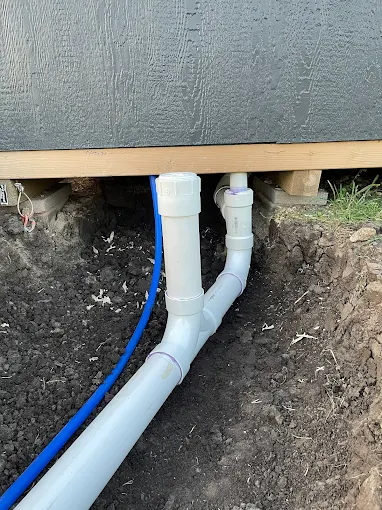
Expert Drain Repair & Installation: What to Expect
On a busy Monday morning in Keller, a small retail shop calls in a panic: the restroom floor drain is backing up, there’s a sour smell in the hallway, and customers are starting to notice. The owner assumed it was “just a clog” and tried store-bought drain cleaner over the weekend. By the time a plumber arrived, the main drain line was partially collapsed, and the store had to close for a day while emergency repairs were made.
Situations like this aren’t rare in North Texas. Our shifting clay soil, aging infrastructure in some neighborhoods, and heavy usage in homes and businesses all put extra stress on drain and sewer lines. A minor issue can turn into a major disruption fast.
This guide walks you through what to expect from expert drain repair and new drain installation, how pros diagnose problems accurately, and how modern methods can save you time, money, and damage to your property. You’ll also see how All Source Plumbing approaches projects in Keller and the surrounding area so you can feel confident the job is done right the first time.
Key Insight: Understanding the full drain repair and installation process helps you spot issues earlier, choose the right solutions, and avoid costly surprises down the road.
How Professional Plumbers Diagnose Drain Problems (Before Touching a Shovel)
Most people first notice a drain problem as a slow sink, a gurgling toilet, or a foul odor. But what’s happening behind the walls or under the slab is rarely obvious without the right tools and training.
A reputable plumber doesn’t jump straight to replacement. The first step is an accurate diagnosis, combining experience with specialized equipment.
What a thorough drain diagnostic looks like
A professional will typically:
- Ask questions about symptoms (how often backups occur, where they appear, any recent renovations)
- Inspect visible fixtures and traps
- Check venting issues that can mimic clogs
- Use cameras or testing methods to see the condition of your drain and sewer lines
For full-system issues, advanced testing like Drain Line Replacement can reveal whether the system holds pressure properly or if there’s a hidden break or leak underground. This is especially important in Keller homes built on slabs, where pipes are buried in or under concrete.
“Accurate diagnostics are the difference between a $300 fix and a $3,000 mistake.” — Senior Technician, All Source Plumbing
When the issue involves moisture under floors, spikes in your water bill, or mysterious damp spots, pros may also use Residential Leak Detection to rule out or confirm water line leaks contributing to drain failures.
Local example: A “simple” kitchen clog that wasn’t
A Keller homeowner called about a recurring kitchen sink clog. They’d snaked the line themselves several times with temporary success. Our technician ran a small camera and discovered heavy grease buildup plus a low spot in the line where water was constantly sitting. Over time, this had started to corrode the pipe.
Instead of just clearing the clog again, we recommended targeted Drain Cleaning Services using hydro jetting to restore the pipe’s interior, then re-sloping a short section of drain to eliminate the low spot. The result: a permanent fix instead of a recurring headache.
CALLOUT: Accurate diagnosis prevents you from paying for the wrong repair, tearing up the wrong area, or living with the same problem over and over.
Drain Cleaning vs. Drain Repair vs. Replacement: Knowing What You Really Need
Not every slow drain means you need a new line. The right solution depends on the condition, age, and material of your pipes, plus how often the problem returns.
Three levels of drain solutions
1. Cleaning and maintenance
If your pipes are structurally sound but blocked by grease, scale, or debris, professional cleaning is often enough. Techniques include:
- Mechanical snaking for localized clogs
- Hydro Jet Drain Cleaning for heavy buildup or tree root intrusion
- Drain Cleaning Services as preventative maintenance for busy households or businesses
2. Targeted drain repair
When small sections of pipe are cracked, misaligned, or sagging, localized Drain Pipe Repair may be enough. This can involve:
- Digging a small access area to repair or replace a segment
- Re-sloping a section of pipe
- Repairing joints or transitions between materials
3. Full or partial replacement
If the system is old, severely damaged, or poorly installed, Drain Line Replacement or main drain line replacement may be more cost-effective long term.
Comparison: Cleaning vs. Repair vs. Replacement in Keller, TX
| Solution Type | Typical Use Case | Approx. Disruption Level | Long-Term Value in Keller Conditions |
|---|---|---|---|
| Professional Cleaning | Grease, scale, minor root intrusion | Low | Good, if pipes are in good shape |
| Targeted Drain Repair | Cracks, low spots, isolated failures | Medium | Very good when damage is localized |
| Full/Partial Replacement | Old, failing, or undersized systems | Medium to High | Excellent for aging infrastructure |
In Keller, clay soil and ground movement can accelerate wear on older cast iron or clay lines. Sometimes, replacing a vulnerable section now can prevent a slab leak or sewer backup later.
Real-world case: Repeated backups in a Keller office
A small office building near Keller Town Center had recurring restroom backups. Previous plumbers had snaked the line several times. Our inspection showed the main drain was undersized for the building’s occupancy and had multiple low spots.
We recommended a combination of Drain Line Replacement and reconfiguring some interior piping. It was a bigger project up front, but the owner hasn’t had a single backup in over two years—saving on emergency calls and lost work hours.
What to Expect During Drain Repair in a Slab or Under Concrete
Many Keller homes and commercial buildings sit on concrete slabs. That makes drain repair more complex—but with the right approach, it doesn’t have to mean tearing your property apart.
How under-slab drain issues show up
You might notice:
- Persistent sewer smell, especially after heavy use
- Slow drains in multiple fixtures
- Cracks in flooring or walls from soil movement
- Soft spots, warm areas, or moisture under flooring
In these cases, pros often pair drain diagnostics with Under Slab Leak Detection to see whether the issue is with drain lines, water lines, or both.
“Under-slab work is where experience really counts. You want the smallest, most precise access possible.” — Lead Slab Specialist, All Source Plumbing
The repair process, step by step
A typical under-slab drain repair may include:
- Camera inspection to pinpoint the exact location and depth of the problem
- Marking the slab and utilities carefully
- Cutting a controlled access opening in the slab
- Excavating only as much soil as needed to expose the damaged pipe
- Replacing or repairing the affected section
- Backfilling, compacting, and restoring the slab
In some cases, rerouting the drain around a problem area is more practical than digging directly under key parts of the home.
Local example: Keller home with recurring hallway odor
In a Keller subdivision, a homeowner noticed a sewer odor in the hallway that worsened when multiple fixtures were in use. A camera inspection and Slab Leak Detection Service showed a break in the main drain line directly under a hallway, likely caused by soil movement.
We opened a small section of slab, replaced the broken pipe, and reinforced the bedding around the new line. The access area was then patched and finished. The homeowner reported the smell was gone immediately and hasn’t returned.
CALLOUT: Under-slab drain work should always be paired with precise location tools. Guessing leads to larger holes, higher costs, and longer downtime.
Modern Drain Installation: Building It Right From the Start
Whether you’re adding a new bathroom, remodeling a kitchen, or building out commercial space in Keller, proper drain installation is just as important as water supply. Poorly installed drains can cause years of problems that aren’t easy—or cheap—to fix later.
Key elements of quality drain installation
A professional Plumbing Drain Installation should account for:
- Correct sizing of drain and vent lines based on fixture units and code
- Proper slope (too little slope leads to clogs; too much can cause solids to be left behind)
- Venting to prevent gurgling, siphoned traps, and sewer gas odors
- Strategic cleanout locations for future maintenance
- Material selection suited to local soil and building conditions
In Keller, that often means planning for soil movement and ensuring proper bedding and support for underground lines.
New drain installation scenarios
Common projects include:
- Adding a bathroom to an existing home
- Relocating a kitchen sink or island
- Installing floor drains in garages, shops, or commercial spaces
- New Drain Installation for commercial kitchens, salons, or medical offices
Example: Adding a bathroom to a Keller home
A Keller family wanted to convert part of their garage into a small guest suite with a full bathroom. Proper Drain Line Installation was critical to avoid future slab or sewer issues.
Our team:
- Evaluated the existing main drain route and capacity
- Designed a layout with correct slope and venting
- Cut and removed the necessary slab sections
- Installed new drain and vent lines, tied into the main
- Coordinated with the homeowner’s contractor to patch concrete and finish the space
Because the drains were designed and installed correctly, the new bathroom functions just like any other in the house—no slow drains, no odors, and no surprises.
Traditional vs. Trenchless Approaches: What’s Best for Your Property?
For main sewer and large drain lines, you often have two broad options: traditional open-trench replacement or modern trenchless methods. Each has its place, and the right choice depends on your property, budget, and the condition of your pipes.
Comparing traditional and trenchless methods
| Feature | Traditional Open-Trench | Trenchless Sewer Replacement |
|---|---|---|
| Excavation Impact | High (yards, driveways, landscaping) | Low to Medium (small access points) |
| Time to Complete | Longer, especially for deep lines | Often faster once access is established |
| Upfront Cost | Sometimes lower | Sometimes higher, but with less restoration cost |
| Best For | Severely collapsed lines, complex layouts | Pipes with continuous path and moderate damage |
| Property Disruption | Significant | Minimal compared to full trenching |
Sewer Drain Repair using trenchless methods can be a game-changer for Keller properties with mature landscaping, decorative concrete, or limited yard access.
“We look at the whole picture—repair method, restoration costs, downtime—and recommend what makes the most sense for the long run.” — Project Manager, All Source Plumbing
Keller example: Protecting a landscaped backyard
A Keller homeowner with an extensively landscaped backyard had a failing main drain line running under mature trees and stonework. Traditional excavation would have destroyed much of the yard.
We recommended a trenchless approach, using existing access points and minimal digging to replace the old line. The homeowner paid slightly more for the plumbing portion but saved thousands in landscaping restoration and weeks of disruption.
CALLOUT: The cheapest repair on paper isn’t always the best value. Consider restoration costs, downtime, and long-term reliability when choosing between traditional and trenchless options.
Preventing Future Drain Problems: Maintenance and Smart Upgrades
Once your drains are repaired or newly installed, the goal is to keep them working smoothly for as long as possible. A little prevention goes a long way—especially in a region like Keller where soil movement and heavy usage can stress systems.
Practical steps to protect your drains
You can reduce the risk of clogs and damage by:
- Avoiding grease, coffee grounds, and wipes (even “flushable” ones) in drains
- Installing strainers in showers and sinks
- Scheduling periodic Clogged Drain Repair and maintenance if you have a history of issues
- Addressing small slowdowns or gurgling noises early
For homes with older pipes or a history of leaks, periodic Leak Detection or water and sewer diagnostics can catch problems before they turn into emergencies.
Smart upgrades that help your whole system
Some upgrades that protect your drains and overall plumbing:
- Water Filter & Softener Installation to reduce scale buildup in pipes
- Toilet Repair & Installation to replace older, inefficient, or frequently clogging models
- Tankless Water Heater systems that can reduce temperature extremes that stress pipes
Example: Commercial maintenance plan in Keller
A Keller restaurant struggled with recurring kitchen backups. We set up a scheduled maintenance plan that included regular Hydro Jet Drain Cleaning and periodic inspections. Since starting the plan, emergency calls have dropped dramatically, and the owner knows their drains are being monitored by professionals.
What This Means for Businesses in Keller, TX
For Keller businesses—whether you’re running a restaurant on Main Street, a retail shop near Keller Town Center, or a professional office—drain issues are more than an inconvenience. They can shut down operations, create health hazards, and damage your reputation with customers.
Health codes and customer expectations leave very little room for error. A single sewer backup can lead to temporary closure, lost revenue, and costly remediation. In this environment, working with a plumbing partner that understands both the technical side and the local business climate is crucial.
All Source Plumbing has extensive experience with:
- Commercial Main Drain Line Repair and replacement
- Under-slab diagnostics and repairs in office and retail spaces
- Emergency Drain Repair to minimize downtime
- Ongoing maintenance plans tailored to high-usage facilities
Keller’s growth means many buildings are either aging or being repurposed. That combination often leads to hidden plumbing mismatches—old drains serving new usage patterns. Addressing those proactively, with expert diagnostics and properly sized drain installation, gives you confidence that your plumbing won’t derail your business plans.
For property managers and owners with multiple locations across North Tarrant County, having a single trusted team for Drain Repair Service, diagnostics, and installation simplifies maintenance and budgeting. You get consistent workmanship, consistent reporting, and fewer surprises.
Frequently Asked Questions
Q: How do I know if I need drain cleaning or actual drain repair?
A: The biggest clues are frequency and location of the problem. If a single sink or shower clogs once in a while and responds well to professional Drain Cleaning Services, cleaning may be all you need. If multiple fixtures back up at the same time, you notice sewer odors, or the same line clogs repeatedly, there may be a deeper issue like a broken pipe, low spot, or root intrusion. A camera inspection and, if needed, Water Leak Detection or sewer diagnostics will tell you whether a simple cleaning is enough or if Drain Pipe Repair or replacement is the smarter long-term solution.
Q: What are signs that my main drain line might be failing under the slab?
A: Warning signs include slow drains across the home or building, gurgling sounds from toilets or tubs, sewer odors in hallways or near floor drains, and recurring clogs that only provide short-term relief after snaking. In Keller, where many homes have concrete slabs, under-slab issues can also show up as unexplained foundation movement or cracks in flooring. A combination of camera inspection and Under Slab Leak Detection can determine whether you’re dealing with a structural drain problem or a different type of leak, and help target the repair precisely.
Q: Will drain repair or replacement require tearing up my whole yard or floor?
A: Not necessarily. Modern methods allow for much more targeted work. For underground lines outside, Drain Line Replacement using trenchless techniques can often be done with just a few access points, preserving landscaping, driveways, and patios. Inside, under-slab repairs are performed through carefully planned openings that focus on the exact problem area. Our goal is always to minimize disruption while still providing a durable, code-compliant repair. During your estimate, we’ll outline the expected access points and restoration needs so there are no surprises.
Q: How long does a typical drain repair or new drain installation take?
A: Timeframes vary based on scope and access. A straightforward Clogged Drain Repair or localized repair might be completed in a few hours. Under-slab repairs or Main Drain Line Repair can take one to three days, depending on depth, length, and restoration. New Plumbing Drain Installation for a remodel or addition is usually coordinated with other trades and may span several days in phases. For Keller businesses, we often schedule work to minimize downtime, including off-hours or weekend work where feasible.
Q: Are there ways to reduce the risk of future drain problems after a repair?
A: Yes. Once a repair or new installation is complete, proper use and periodic maintenance are key. Avoid flushing wipes, sanitary products, or excessive grease. Consider regular Hydro Jet Drain Cleaning if you operate a restaurant or other high-use facility. For homes with older piping, periodic Professional Leak Detection or sewer inspections can catch issues early. Upgrades like Water Filter & Softener Installation can also help reduce scale and buildup inside pipes, extending their life and performance.
Q: What should I do if I have an emergency backup outside normal business hours?
A: For sudden backups, overflowing fixtures, or suspected sewer leaks, shut off any running water that’s contributing to the problem and avoid using affected fixtures. Then call an Emergency Drain Repair service right away. All Source Plumbing provides emergency response in Keller and nearby communities, with the tools to perform immediate relief (such as clearing blockages) and, when necessary, start the diagnostic process on the spot. Acting quickly can significantly reduce water damage, cleanup costs, and downtime for your home or business.
Q: I’m planning a remodel. When should I involve a plumber for drain design?
A: Bring a plumber in as early as possible—ideally during the planning stage, before finalizing layouts. Proper Drain Installation Service depends on fixture placement, required slope, venting, and access to existing lines. In Keller, where many homes are on slabs, moving fixtures even a few feet can dramatically change the complexity of the work. Early input helps avoid design choices that are extremely expensive or impractical to build, and ensures your remodel passes inspection without last-minute changes.
Ready to Get Started?
Drain issues rarely fix themselves, and in North Texas soil conditions, waiting often means the problem grows behind the scenes. Whether you’re facing a stubborn clog, recurring backups, sewer odors, or planning a remodel that involves new drains, addressing it now can save you significant time, money, and disruption later.
All Source Plumbing is local to the Keller area and equipped to handle everything from routine Drain Repair Service to complex under-slab work and full Drain Line Replacement. Our technicians use industry-standard diagnostic tools, follow current plumbing codes, and prioritize clear communication so you always know what’s happening on your property.
If you’re unsure whether you need cleaning, repair, or new installation, we can start with a straightforward inspection and honest assessment. No pressure—just the information you need to make a smart decision for your home or business.
Take the first step toward reliable, worry-free drains today.
About All Source Plumbing
All Source Plumbing is a locally owned, full-service plumbing company based in Keller, TX. Our licensed technicians bring years of experience in residential and commercial plumbing, with specialized expertise in drain repair, under-slab work, and modern installation methods. We’re committed to honest assessments, quality workmanship, and long-term solutions that fit the way North Texans live and work. Learn more about our services and story at allsourcetxplumbing.com.