
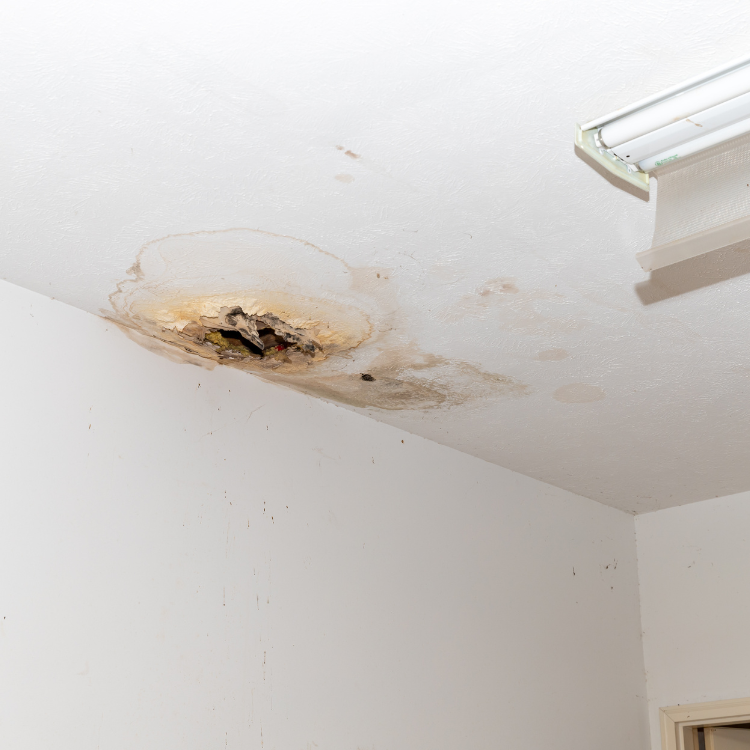
Efficient Leak Location Methods for Homeowners
you walk into your Keller home on a warm Texas afternoon and notice a faint hissing sound behind a wall, or a warm spot on your living room floor. Your water bill has crept up the last few months, but nothing else has changed. That’s often how hidden leaks quietly introduce themselves—subtle signs that can turn into serious water damage, mold growth, and even foundation issues under our North Texas clay soils.
The EPA estimates that household leaks can waste nearly 10,000 gallons of water a year, and about 10% of homes have leaks that waste 90 gallons or more per day. In areas like Keller, where many homes sit on concrete slabs and rely on complex plumbing runs, efficiently finding the source of a leak isn’t just convenient—it’s critical to protecting your home and your foundation.
This guide walks you through modern, efficient leak location methods, what you can safely do yourself, and when to call in a professional leak detection specialist. You’ll learn how different tools work, what to expect during a Leak Detection visit, and how Keller homeowners can avoid unnecessary damage and costly guesswork.
Key Insight: The faster and more accurately you locate a leak, the less you’ll spend on repairs, water damage restoration, and foundation problems—especially in slab-on-grade homes common in Keller.
Spotting the Early Signs: How to Tell You Might Have a Hidden Leak
Efficient leak location starts long before anyone pulls out specialized equipment. It begins with knowing what to watch for around your home and acting quickly when something feels off.
Common early warning signs include:
- Unexplained increase in your water bill
- Sound of running water when all fixtures are off
- Warm or damp spots on flooring (especially over concrete slab)
- Cracks in walls, ceilings, or tile that seem to appear “out of nowhere”
- Musty odors, especially in closets or along baseboards
- Constantly running or cycling water heater
In Keller, many homes are built on concrete slabs. That means a leak in a pressurized water line can travel under flooring, into walls, or along the slab before it ever shows at the surface. Homeowners sometimes see a damp spot in one room, even though the actual leak is several feet away.
One Keller family called us because their hardwood floor near the kitchen was buckling. They assumed it was a fridge line leak. After testing, the fridge checked out fine. Using professional Slab Leak Detection methods, we found a hot water line leaking under the slab, about 6 feet from the visible damage. Catching it early allowed us to repair it with minimal demolition.
“Water will always take the path of least resistance. Where it shows up rarely tells you where it starts.” — Senior Technician, All Source Plumbing
CALLOUT: The earlier you respond to warning signs, the more likely you can use non-destructive methods to pinpoint the problem and avoid major tear-out.
Simple DIY Leak Checks vs. Professional Detection: Knowing Your Limits
There’s a lot you can do as a homeowner before calling in a professional. A few simple checks can confirm whether you’re dealing with a minor issue or something more serious that needs expert attention.
Easy DIY Checks You Can Try
- Toilet dye test: Add a few drops of food coloring to the tank. If color shows up in the bowl without flushing, you have a leak. If needed, schedule Toilet Repair & Installation to fix flappers, fill valves, or seals.
- Faucets and fixtures: Look under sinks, at hose bibbs, and around showers for moisture, corrosion, or slow drips. Many of these can be handled with simple Fixture Repair & Installation.
- Water meter test: Shut off all water inside and outside. If the meter still moves, you likely have a hidden leak in a supply line.
- Water heater inspection: Look for pooling water around the tank or rust on fittings. A failing tank may need Water Heater Repair & Installation or even replacement with a more efficient model.
These checks are safe and can sometimes reveal obvious problems. But once you’ve ruled out visible fixtures, you’re into “hidden leak” territory—inside walls, under the slab, or in buried lines.
When DIY Stops Being Efficient
We often see Keller homeowners cut into drywall or jackhammer portions of their slab based on a hunch. That usually leads to:
- Unnecessary demolition
- Missed leak locations
- Higher restoration costs
That’s where professional Professional Leak Detection becomes far more efficient and cost-effective.
| Approach | Best For | Pros | Cons |
|---|---|---|---|
| DIY visual & meter checks | Obvious drips, running toilets, small leaks | Free, quick, no tools required | Can’t pinpoint hidden or under-slab leaks |
| “Guess and cut” demolition | Desperate attempts to find hidden leaks | Sometimes finds the leak by chance | High damage, expensive, often still inaccurate |
| Professional leak detection | Hidden, slab, or underground leaks | Non-destructive, precise, documentation for repairs | Upfront service cost (but saves on damage and repairs) |
A Keller homeowner in the Hidden Lakes area once cut three separate holes in their living room floor chasing a warm spot. After spending hundreds on demo, they finally called us. Using non-invasive techniques, we located the slab leak within inches and repaired it in a single day. Had we been called first, they would have saved money and avoided weeks of dust and disruption.
Modern Tools of the Trade: How Pros Find Hidden Leaks Efficiently
Today’s leak location methods go far beyond “follow the wet spot.” Professional plumbers use a combination of technology and experience to trace water lines, listen for leaks, and verify their findings with minimal disruption.
Acoustic Leak Detection
For pressurized water lines, acoustic equipment can “listen” through slabs, soil, and walls. The leak creates a distinct noise pattern—different from normal water flow—that trained technicians can interpret.
- Sensors are placed along suspected pipe routes
- The loudest point usually indicates the leak location
- Works well for Concrete Slab Leak Detection under Keller homes
Thermal Imaging
Hot water leaks often warm the surrounding slab or flooring. Thermal cameras detect these temperature differences:
- Excellent for hot water slab leaks
- Helps map where hot water lines run
- Reduces guesswork on where to open the slab
Line Tracing and Diagnostics
Locating the exact path of water, sewer, or gas lines is critical before any repair. With advanced Water, Sewer & Gas Diagnostics, plumbers can:
- Trace lines with electronic locators
- Identify breaks, blockages, or misalignments
- Mark precise repair points on your property
“Technology doesn’t replace experience—it amplifies it. The best results come from combining both.” — Lead Diagnostic Specialist, All Source Plumbing
These methods are especially valuable in Keller subdivisions where multiple homes share similar layouts, but each has its own quirks from additions, remodels, or prior repairs.
Slab Leaks and Foundation Risks: Why Keller Homes Need Precise Location
Slab leaks are one of the most serious—and most misunderstood—plumbing problems for North Texas homeowners. Because Keller homes often sit on expansive clay soils, water under the slab can quickly affect your foundation.
What Is a Slab Leak?
A slab leak is a water line leak that occurs:
- Under or within your concrete foundation
- Typically in hot or cold water supply lines
- Sometimes in older or poorly installed piping
Signs of a slab leak include:
- Warm or damp spots on tile, wood, or carpet
- Cracks in walls, ceilings, or slab
- Sudden spike in water usage
- Constantly running water heater
In one Keller home near Bear Creek Park, the owner noticed a warm hallway floor but no visible water. Our Slab Leak Location & Repair process pinpointed a hot water line leak under the hallway. By coring a small, targeted opening in the slab, we repaired the line and restored the floor. Had the leak gone on longer, it could have caused soil movement and foundation shifting.
Why Non-Destructive Slab Leak Detection Matters
Older methods sometimes involved breaking large sections of slab to “hunt” for the leak. Today, non-destructive Non-Destructive Slab Leak Detection techniques allow:
- Pinpoint accuracy within inches
- Minimal slab opening
- Reduced repair time and dust
- Lower restoration costs afterward
| Slab Leak Approach | Impact on Home | Typical Cost Profile (Keller Area) | Efficiency |
|---|---|---|---|
| Guess-and-break slab | High demolition, multiple openings | High (demo + repair + restoration) | Low |
| Targeted non-destructive detection | Small, precise opening | Moderate (detection + focused repair) | High |
| Full line reroute (when needed) | Some wall/ceiling access | Higher upfront, but long-term reliability | High |
In some cases, especially in older homes or with recurring leaks, the most efficient long-term solution is rerouting the affected line rather than repeatedly repairing under the slab. A good slab leak specialist will walk you through those options before any work begins.
Pressure Testing, Hydrostatic Testing, and Sewer Leak Location
Not all leaks come from pressurized water lines. Sewer and drain line leaks can be just as damaging, especially when they wash out soil under your slab or allow sewer gases into your home.
Hydrostatic Testing for Sewer Lines
When you suspect a sewer leak under the slab, Hydro-Static Testing is one of the most efficient diagnostic tools:
- Plugs are inserted in the sewer system
- The system is filled with water to a set level
- Technicians monitor for drops in water level that indicate a leak
This test:
- Confirms whether your sewer lines are holding water
- Helps determine if under-slab repairs or Trenchless Sewer Replacement may be needed
- Provides documentation for insurance or real estate transactions
We performed hydrostatic testing for a Keller homeowner preparing to sell their home. The test revealed a slow under-slab sewer leak the owners never knew they had. Because we caught it early, we were able to perform targeted Sewer Repairs and provide test results to reassure buyers and keep the sale on track.
Camera Inspections and Diagnostics
To complement hydrostatic testing, modern Drain Cleaning and diagnostic work often includes:
- Running a camera through sewer lines to visually inspect for cracks, roots, or separations
- Marking the exact location and depth of defects in the yard or under the slab
- Determining whether Drain Line Replacement or spot repair is the best option
“A camera doesn’t just show the problem—it helps you design the right repair, so you only fix what’s actually broken.” — All Source Plumbing Technician
Preventing Future Leaks: Smart Upgrades and Maintenance Choices
Efficient leak location is only half the story. Once you’ve dealt with a leak, it’s worth asking: how can you reduce the chances of this happening again?
Modern Piping and Repiping
Older galvanized or thin-wall copper pipes are more prone to corrosion and pinhole leaks. In many Keller homes, we’re seeing:
- Corrosion from mineral-heavy water
- Past repairs that created weak points
- Lines buried in or under slabs without proper protection
Upgrading sections of your plumbing with Piping & Repiping services can:
- Reduce future leak risk
- Improve water pressure and quality
- Simplify future maintenance and repairs
Water Quality and Softeners
Hard water is common in North Texas and can accelerate wear on pipes, water heaters, and fixtures. Proper Water Filter & Softener Repair & Installation can:
- Protect your plumbing system from mineral buildup
- Extend the life of water heaters and fixtures
- Improve taste and reduce staining on fixtures
Efficient Hot Water Systems
Traditional tank-style heaters can leak as they age, often without much warning. Many Keller homeowners are upgrading to Tankless Water Heater Installation for:
- Reduced risk of catastrophic tank failures
- Endless hot water on demand
- Better energy efficiency
Whether you choose a Gas Tankless Water Heater or an Electric Tankless Water Heater, proper installation and Tankless Water Heater Maintenance are key to long-term reliability.
What This Means for Homeowners in Keller, TX
Keller’s mix of newer subdivisions and older homes, combined with our clay-heavy soils and hot summers, creates a unique plumbing environment. Leaks aren’t just a nuisance here—they can quickly impact your home’s structure and comfort.
Local factors that make efficient leak location especially important:
- Slab-on-grade construction: Many Keller homes don’t have basements or crawlspaces, so leaks are more likely to hide under slabs or in walls. Precise Slab Leak Plumbing Repair and detection methods are essential.
- Expansive clay soils: When water leaks under your foundation, it can cause soil to swell or wash out, leading to uneven settlement and cracks.
- Growth and remodeling: As Keller has grown, many homes have been remodeled or expanded. That often means altered plumbing runs, which can complicate leak location without professional Residential Leak Detection tools.
- Seasonal stress: Hot summers and occasional freezes put extra stress on water, sewer, and gas lines, making Emergency Leak Detection Service a real need at times.
By using efficient, modern methods—from acoustic detection and thermal imaging to hydrostatic testing and camera inspections—you can:
- Minimize damage to your home
- Get clear answers faster
- Choose the right repair option with confidence
- Protect your foundation and property value
For Keller homeowners, having a trusted local plumbing partner who understands our soil, building styles, and infrastructure can make the difference between a quick, targeted repair and a long, expensive ordeal.
Frequently Asked Questions
Q: How do I know if I need professional leak detection or just a simple plumbing repair?
A: Start with what you can see and test easily. If you’ve checked faucets, toilets, and visible pipes and still suspect a leak—especially if your water meter is moving with everything off—it’s time for professional Leak Location Service. Hidden leaks under slabs, in walls, or in buried lines require specialized equipment to pinpoint accurately. In Keller, where many homes sit on slabs, it’s safer and more cost-effective to bring in a pro before cutting into concrete or walls. A reputable plumber will start with diagnostics, explain what they find, and only recommend repairs that address confirmed problems.
Q: Are slab leaks covered by homeowners insurance in Keller?
A: Coverage varies by policy, but many insurers in Texas treat slab leaks in two parts: the cost to access and repair the pipe, and the cost to repair resulting damage (like flooring or drywall). Some policies cover both, some only cover the water damage, and some exclude slab access entirely. Professional documentation from a Slab Leak Repair Service—including test results and photos—can help in discussions with your adjuster. It’s a good idea to review your policy or talk with your agent before problems arise so you know what to expect if you ever face a slab leak in your Keller home.
Q: How long does leak detection usually take?
A: Most residential Residential Leak Detection visits in Keller take between 1–3 hours, depending on the complexity of your plumbing system and the type of leak. A straightforward pressurized water leak in a single-story home may be located quickly using acoustic and thermal tools. More complex cases—multiple leaks, older homes with undocumented plumbing changes, or combined water and sewer issues—can take longer. The goal is always accuracy over speed; a few extra diagnostic steps can prevent unnecessary demolition and misdiagnosed repairs.
Q: What’s the difference between hydrostatic testing and a regular leak test?
A: A standard leak test usually focuses on pressurized water lines—checking if they hold pressure without dropping. Hydro-Static Testing, on the other hand, is designed for sewer systems. The plumber plugs the sewer line, fills it with water, and monitors for a drop in level that indicates a leak under the slab or in buried lines. In Keller, hydrostatic testing is common during real estate transactions or when there are signs of foundation movement. It’s a precise way to confirm or rule out sewer leaks that you can’t see from inside the home.
Q: Can hydro jetting damage my pipes if I have older plumbing?
A: When done by trained professionals, Hydro Jet Drain Cleaning is safe and highly effective, even in many older systems. The key is proper diagnostics first—often with a camera inspection—to understand pipe condition. If your pipes are severely corroded or structurally compromised, a reputable plumber will recommend repair or replacement instead of aggressive cleaning. In many Keller homes with root intrusions or heavy buildup, hydro jetting actually helps extend the life of the plumbing by restoring proper flow and reducing stress on the system.
Q: Is it worth upgrading to a tankless water heater after a leak or water heater failure?
A: For many Keller homeowners, yes. If your traditional tank has failed or leaked, you’re already facing repair or replacement costs. Upgrading to a Tankless Water Heater Replacement can reduce the risk of future tank leaks, provide endless hot water, and improve energy efficiency. The best choice—tankless vs. tank, gas vs. electric—depends on your home’s layout, gas or electrical capacity, and hot water needs. A local plumber familiar with Keller building codes and utility setups can help you weigh upfront costs against long-term savings and reliability.
Q: What should I do first if I think I have an emergency leak in the middle of the night?
A: Your first step is to protect your home. Shut off the main water supply—usually located near the street or at the front of your home—and, if safe, turn off power to any affected areas. Then call an Emergency Leak Detection Service that serves Keller. Document any visible damage with photos for insurance purposes. A good emergency plumber will walk you through immediate steps over the phone, then arrive with the tools needed to locate and stabilize the problem, whether it’s a burst pipe, slab leak, or failing water heater.
Ready to Get Started?
Hidden leaks rarely fix themselves. The longer water runs where it shouldn’t, the more damage it can do—to your floors, walls, foundation, and wallet. In a place like Keller, where slab foundations and clay soils magnify the impact of moisture, waiting “to see if it gets worse” can turn a manageable repair into a major project.
If you’ve noticed rising water bills, unexplained damp spots, cracks, or the sound of running water when everything is off, now is the time to act. An efficient, professional leak location visit can give you clear answers, a precise game plan, and options that fit your budget and your home.
All Source Plumbing offers a full range of services—from pinpoint Hidden Water Leak Detection and Foundation Leak Detection to targeted repairs, General Plumbing Repairs, and long-term solutions like Repiping and Trenchless Sewer Replacement. As a local company serving Keller and surrounding communities, we understand the homes, the soils, and the stresses your plumbing system faces.
Don’t wait for a small leak to become a big problem. Schedule a diagnostic visit today and get the peace of mind that comes with knowing exactly what’s going on behind your walls and under your slab.
About All Source Plumbing
All Source Plumbing is a locally owned and operated plumbing company serving Keller, TX and nearby communities. Our licensed, insured technicians specialize in accurate Leak Detection Near Me, slab leak repair, drain and sewer solutions, and water heater services for both residential and light commercial properties. With years of hands-on experience in North Texas homes and a commitment to honest, solution-focused service, we help Keller homeowners protect their properties with modern diagnostics and high-quality repairs. Learn more about our team and services at our homepage.