
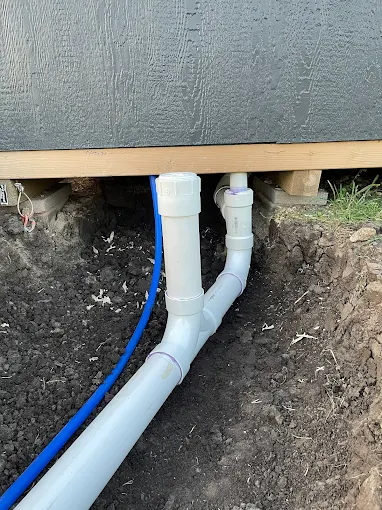
Hidden drains rarely get attention until they misbehave. A slow tub, a kitchen sink that gurgles, or a foul smell creeping up from a floor drain can bring an entire household in Keller, TX to a standstill. In many cases, the difference between a quick fix and an expensive disaster comes down to whether the right repair techniques are used from the start. Effective drain repair is not just about clearing a clog; it is about understanding why the problem formed, choosing the best method to correct it, and making sure the solution actually lasts.
Modern homes, older properties, and commercial buildings across Keller all share the same reality: plumbing systems are under more stress than ever. Heavier water usage, food waste, wipes and hygiene products, tree roots, and shifting soil can all attack drain lines. When a drain problem appears, simply pouring in chemicals or snaking the line blindly can cause more harm than good. That’s why professional teams like All Source Plumbing rely on proven, methodical techniques that diagnose the true cause, protect the existing pipe, and restore proper flow with as little disruption as possible.
For homeowners and property managers, understanding these techniques is powerful. It helps you recognize when a DIY attempt is reasonable and when it is time to call in specialists. It also gives you a way to ask better questions, compare options, and feel confident that the repair approach being recommended is actually right for your home, your soil conditions, and your budget. The goal is not just to get the water moving again today, but to prevent repeat problems and hidden damage that can surface months or years later.
Diagnosing The Real Problem
Effective drain repair always begins with accurate diagnosis. Guessing at what is happening inside a buried or concealed pipe usually leads to temporary fixes. In Keller, TX, where soil movement, clay lines in older homes, and tree-lined neighborhoods are common, multiple factors can combine to create one visible symptom, such as a backup in a bathtub. All Source Plumbing technicians start by gathering clues: which fixtures are affected, when the issue occurs, how long it has been happening, and whether there have been prior repairs in the same area.
The next step is often a camera inspection. A small, flexible camera is fed through the drain line, sending back real-time video of the interior of the pipe. This reveals whether the problem is a simple buildup of grease or soap scum, a foreign object lodged in a bend, a belly in the line where water collects, or a cracked section invaded by roots. The camera also shows the pipe material, which is critical because cast iron, PVC, clay, and Orangeburg pipe each respond differently to repair techniques and equipment.
Professionals also pay attention to the pattern of symptoms. For example, if only the kitchen sink backs up, the issue may be localized to that branch. If toilets, tubs, and floor drains on the same level all gurgle or overflow, it points to a main line issue. Technicians in Keller may also consider local factors such as recent heavy rains, nearby construction, or known trees with aggressive root systems. The entire purpose of this diagnostic phase is to avoid treating the symptom and instead identify the exact failure so that the repair can be targeted and effective.
Once the cause is clear, technicians can map out the extent of the problem. Does the damage involve a single joint, a few feet of pipe, or an entire run from the house to the street? Is the pipe structurally sound but dirty, or is it cracked and collapsing? This level of detail is what separates a quick, low-cost cleaning from a more involved repair or replacement. Without it, any technique used is just guesswork.
Mechanical Cleaning And Snaking
Traditional drain snaking remains one of the most widely used techniques for certain types of drain repair projects. A cable, sometimes with a cutting head on the end, is fed into the drain and rotated to break up soft obstructions like hair, food debris, and minor root intrusions. For many household clogs in Keller, this mechanical method is effective, especially when used by experienced technicians who understand how much force the pipe can safely handle.
However, snaking is not as simple as pushing a cable into a pipe. Different drain sizes require different cable diameters and head types. Using an aggressive cutting head in a fragile, older cast iron or clay pipe can cause cracks or break sections loose. All Source Plumbing technicians select their equipment based on what the camera inspection revealed, adjusting speed, torque, and head style to clear the blockage while preserving the pipe’s integrity. This level of precision is a key part of using snaking as an effective, not destructive, repair method.
Another important aspect is how thoroughly the line is cleaned. A quick pass with a snake might poke a hole through a clog, restoring some flow but leaving most of the buildup on the pipe walls. That thin passage can close again within weeks. A more methodical approach involves working the cable back and forth, changing head sizes if needed, and verifying the result with water tests and, in some cases, a follow-up camera look. Effective drain repair means the clog is truly removed, not just partially disturbed.
Mechanical cleaning is often used in combination with other techniques. For example, a heavy root intrusion may be first cut back with a snake and then followed by another method to smooth and protect the pipe interior. When used thoughtfully, snaking remains a cost-effective first line of repair for many common drain issues in Keller homes and businesses.
Hydro Jetting For Deep Cleaning
Where snaking cuts and punches through blockages, hydro jetting scours and washes the inside of the pipe. This technique uses high-pressure water, delivered through a specialized hose and nozzle, to blast away grease, sludge, mineral scale, and small root fibers. For heavily used kitchen lines, restaurant drains, or residential main lines with years of buildup, hydro jetting can restore the pipe much closer to its original diameter.
The key to effective hydro jetting is pressure control and nozzle choice. Too little pressure and the jet will not remove hard deposits; too much and there is a risk of damaging older or weakened pipes. Skilled technicians at All Source Plumbing evaluate the pipe material, age, and condition before setting up the jetting machine. They select nozzle patterns that direct water both forward to break obstructions and backward to flush debris out of the line, rather than pushing it deeper.
Hydro jetting is especially valuable in Keller, TX for homes with long, flat runs of drain pipe where sludge tends to settle. Over time, fats, oils, and grease from cooking can coat the pipe walls and catch other debris, forming stubborn restrictions that a standard snake may only partially clear. By thoroughly cleaning the line, hydro jetting not only resolves current slow drains and backups but also reduces the likelihood of near-term repeat issues.
Because hydro jetting is such a powerful technique, it is typically preceded by a camera inspection. If the camera reveals a cracked or collapsed section of pipe, jetting may be inappropriate until that structural issue is addressed. Used at the right time, though, hydro jetting is one of the most effective tools available for deep, long-lasting drain cleaning and repair.
Trenchless Repair And Pipe Relining
When a drain problem goes beyond simple cleaning, trenchless repair methods can offer a way to fix or reinforce the pipe without digging up the yard, driveway, or floors. Pipe relining is one of the most impactful of these techniques. A flexible liner, coated with a special resin, is inserted into the damaged section of pipe and then expanded. As the resin cures, it hardens into a new, smooth inner pipe inside the old one.
This method is particularly attractive in established Keller neighborhoods where mature landscaping, patios, or concrete walkways would be costly and disruptive to excavate. Instead of open trenches, technicians access the line through cleanouts or small entry pits. Once the liner cures, it seals cracks, covers small holes, and blocks root intrusions, all while restoring structural strength. The result is a continuous, joint-free pipe that often carries a long warranty.
Trenchless repair is not a one-size-fits-all solution. The existing pipe must retain enough shape to hold the liner, and severe collapses or major offsets may still require partial excavation and replacement. That is why All Source Plumbing relies on detailed camera inspections and measurements before recommending relining. In many cases, only certain sections of the line need to be lined, which can control costs while still resolving the primary failures.
The long-term benefits of pipe relining are significant. The new interior surface is smoother than many original pipe materials, improving flow and reducing spots where debris can catch. Because the relined pipe is resistant to corrosion and root penetration, it can extend the life of the system for decades. For Keller property owners facing recurring drain issues in the same underground lines, trenchless repair often turns out to be a more economical and less disruptive solution than repeated short-term fixes.
Targeted Excavation And Replacement
There are situations where the most effective technique is still to expose the pipe and replace the failed section. Severe collapses, crushed pipes from vehicle traffic, or lines that have completely disintegrated cannot be restored with cleaning or lining alone. In these cases, targeted excavation is used to access the damaged area while minimizing disruption to the surrounding property.
Effective excavation-based repairs start with precise locating. Technicians use electronic locating equipment tied to the inspection camera to identify the exact depth and position of the problem. This allows All Source Plumbing crews to dig only where necessary instead of opening long trenches. In tight Keller yards or near foundations, this precision is critical to protect other utilities, landscaping, and structures.
Once the pipe is exposed, the damaged section is removed and replaced with new, code-compliant material such as PVC. Proper installation techniques matter just as much as the replacement itself. Correct slope, solid bedding, secure joints, and careful backfilling all ensure that the new section does not become a future problem point. In some projects, a combination of methods is used: a failed section is replaced by excavation, while upstream or downstream areas are relined to prevent additional failures.
Homeowners sometimes fear that any serious drain problem means their entire yard will be destroyed. In reality, modern excavation techniques are far more controlled and focused. When replacement is the right solution, a well-planned, limited excavation can deliver a permanent repair and restore full reliability to the system.
Preventive Strategies After Repair
Repairing a drain is only part of the story. The most effective projects also include steps to prevent the same issues from returning. Once a line has been cleaned, relined, or replaced, technicians can share specific recommendations tailored to the property. For example, in Keller homes with large shade trees, periodic camera inspections and maintenance cleanings may be advised to catch early root growth before it becomes a blockage.
Changes in household habits can also make a major difference. Avoiding grease disposal down the sink, using drain strainers to catch hair and food particles, and keeping wipes and hygiene products out of toilets will reduce the load on the system. All Source Plumbing often explains how even “flushable” products may not break down quickly enough to travel through long or partially flat drains, leading to recurring clogs far from the fixture where they were flushed.
For properties with slab foundations, paying attention to subtle signs like unexplained moisture, warm spots on floors, or persistent odors can help catch leaks early. While this article focuses on drain repair techniques, related services such as Slab leak detection service can be critical in identifying hidden failures before they cause structural damage. Integrating detection, repair, and prevention is what keeps plumbing systems reliable over the long term.
Finally, scheduling routine maintenance with a trusted local plumber in Keller, TX turns drain care from crisis response into ongoing protection. Regular inspections and cleanings are far less costly than emergency backups, water damage, or major excavation. By combining effective repair techniques with smart preventive strategies, homeowners can enjoy clear, quiet, and dependable drains year after year.
Frequently Asked Questions
How do I know if my drain needs repair instead of just cleaning? Persistent problems are the biggest clue. If you have repeated clogs in the same fixture, slow drains throughout the house, gurgling noises from toilets or tubs, or sewage odors that return after basic snaking, there is likely an underlying issue in the pipe itself. Camera inspections used by companies like All Source Plumbing in Keller let you see whether the pipe is simply dirty or if it is cracked, offset, or invaded by roots. When structural damage is present, repair or relining becomes necessary to prevent ongoing problems.
Is hydro jetting safe for older pipes in my Keller home? Hydro jetting can be safe and very effective for older pipes, but only when used with proper evaluation and settings. Before jetting, a technician should inspect the line with a camera to check for severe cracks, collapses, or fragile sections. If the pipe is structurally sound but coated with buildup, the pressure can be adjusted to clean without causing damage. In some cases where the pipe is too deteriorated, a different approach such as gentle snaking, spot repair, or relining may be recommended instead of full-pressure jetting.
What makes trenchless repair a good option? Trenchless repair is a strong option when you want to fix underground drain problems without tearing up landscaping, driveways, or sidewalks. It is especially useful in established Keller neighborhoods where access is limited or where decorative hardscapes would be costly to remove and replace. If the existing pipe still holds its shape but has cracks, leaks, or root intrusions, relining can create a new, durable inner pipe with minimal digging. The technique is not ideal for completely collapsed lines, but for many aging systems it provides a long-lasting, less disruptive solution.
Can I handle serious drain repairs on my own? Simple clogs near a fixture can sometimes be handled with a plunger or a small hand auger. However, serious or recurring drain problems usually require professional tools and expertise. Working without a camera means you cannot see what is happening inside the pipe, and using the wrong equipment or chemicals can damage the line or push a blockage deeper. All Source Plumbing and similar professionals in Keller use specialized cameras, locating devices, jetters, and trenchless equipment to diagnose and correct issues accurately, which is difficult and often unsafe for a homeowner to attempt alone.
How often should my drains be inspected or maintained? The ideal frequency depends on your home’s age, the type of piping, and how heavily the plumbing is used. Many Keller homeowners benefit from a camera inspection every few years, especially if they have large trees, older pipes, or a history of drain problems. Restaurants and high-use commercial properties may need annual or even more frequent maintenance. After a major repair or cleaning, your plumber can recommend a schedule tailored to your system, helping you catch developing issues early and avoid emergency backups.