
Plumbing services in Keller, TX

Drain Repair & Installation: A Homeowner’s Guide

The first hint is usually small: a slow swirl in the bathroom sink, a faint gurgle from the kitchen drain, or a mysterious puddle near the yard that never seems to dry. At first, it is easy to ignore, especially when everything else in the house appears to be working fine. But in Keller, TX, where homes blend older plumbing systems with new construction, those subtle signs often signal a drain problem that is about to get worse. By the time water backs up into a tub or a foul odor drifts through the house, many homeowners realize they are dealing with more than a minor inconvenience—they are facing a drain repair or even a full installation project.

Drain repair and installation is not just about clearing clogs. It involves understanding how the entire drainage system in your home works, from individual fixture drains to the main sewer line that runs under your yard and connects to the city system. A homeowner who knows the basics can spot issues earlier, communicate clearly with a plumber, and make better decisions about repair versus replacement. This guide is designed to walk Keller homeowners through the essentials of drain repair and installation, using practical, real-world explanations rather than technical jargon.

Whether you are dealing with recurring clogs in a Keller kitchen, a broken outdoor drain line affected by shifting Texas soil, or planning to add a new bathroom that needs proper drain installation, the same principles apply: identify the problem accurately, choose the right repair method, and ensure the work is done safely and up to code. All Source Plumbing, serving Keller and nearby communities, sees the same patterns again and again—issues that could have been less expensive and less stressful if homeowners had a clearer understanding of what was happening beneath their floors and yards. This guide aims to give you that clarity.

How Your Drains Actually Work

Every drain in your home, from the shower to the washing machine, is part of a larger network that directs wastewater away safely and efficiently. When you run water in a sink, it flows through a trap (the curved pipe) that holds a small amount of water at all times. This water barrier prevents sewer gases from coming back into your home. From there, the water flows through branch drain lines and eventually into a larger main line that exits your home and connects to the city sewer system or a septic tank. If any part of this chain is damaged, blocked, or improperly installed, problems can appear far from the actual source.

Gravity is the quiet hero of your drainage system. Pipes are installed with a specific slope, known as pitch, so that wastewater can move smoothly without relying on mechanical force. In Keller, where soil conditions and ground movement can shift pipes over time, even a small change in slope can lead to standing water in the line. This standing water then allows grease, hair, and debris to settle, eventually forming clogs that seem to appear out of nowhere. When All Source Plumbing evaluates a drain issue, one of the first things they consider is whether the pipe slope has been compromised.

Vent pipes are another component that many homeowners do not realize are crucial. These pipes, often exiting through the roof, allow air into the drain system so water can flow freely without creating a vacuum. If vents are blocked or incorrectly installed, you may hear gurgling sounds, experience slow drains, or notice traps being sucked dry. Understanding that your drain system is not just pipes carrying water, but a coordinated network of drains, traps, vents, and main lines helps explain why a simple backup can sometimes reveal a deeper, system-wide issue.

Common Drain Problems In Keller Homes

In Keller, TX, certain drain problems show up more frequently due to local soil conditions, landscaping practices, and the mix of older and newer homes. One of the most common issues is recurring clogs in kitchen and bathroom drains. Grease, soap scum, hair, and food particles accumulate over time, especially in homes where older pipes have rougher interiors that catch debris more easily. When these clogs are treated only with store-bought drain cleaners, the problem often returns because the underlying buildup or pipe damage is never fully addressed.

Another frequent problem is root intrusion into underground drain lines. Trees and shrubs around Keller homes are constantly searching for water, and even a tiny crack or loose joint in a buried pipe can allow roots to enter. Once inside, they grow and expand, trapping debris and eventually blocking the line entirely. Homeowners might first notice this as periodic backups in multiple fixtures or as slow drains throughout the house, especially after heavy water use, such as laundry day or hosting guests.

Shifting soil and ground movement can also cause pipes to sag, crack, or become misaligned. This is particularly relevant in North Texas, where clay-rich soils expand when wet and contract when dry. Over time, this movement can create what plumbers call a “belly” in the pipe—a low spot where water collects instead of flowing away. These bellies become hotspots for clogs and can eventually lead to complete blockages or even pipe collapse. All Source Plumbing often uses camera inspections to locate these problem spots in Keller homes before they lead to more severe damage.

How Professionals Diagnose Drain Issues

Proper drain repair starts with an accurate diagnosis. When a Keller homeowner calls All Source Plumbing about a drain problem, the process usually begins with a detailed conversation about the symptoms: which fixtures are affected, when the problem started, and whether it has happened before. This information helps determine whether the issue is likely localized to a single drain or part of a larger problem in the main line. A simple clog in one sink behaves very differently from a blockage in the main sewer line that affects multiple drains.

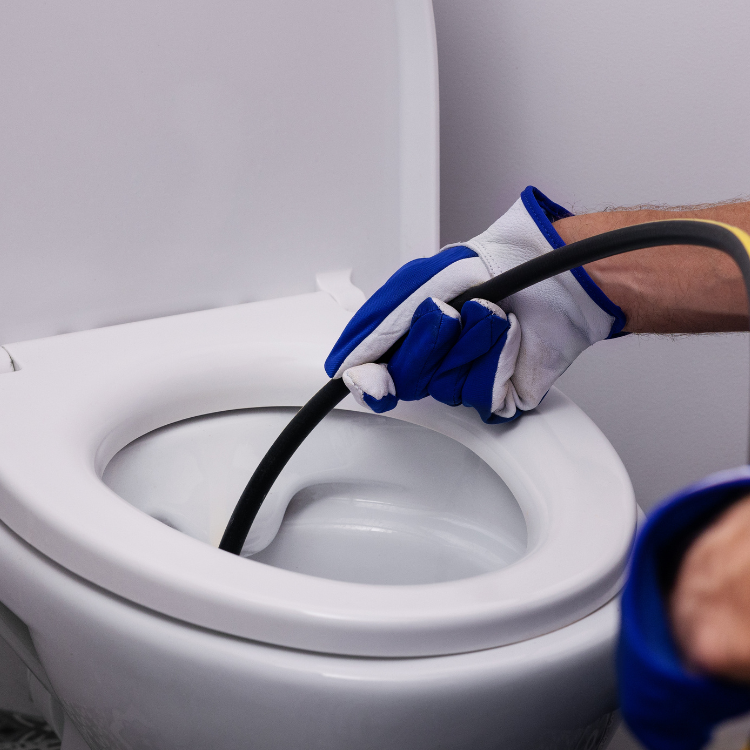
Next, plumbers often use specialized equipment to investigate further. Drain augers (or snakes) can be used to clear and feel out obstructions inside the pipe. For more complex or recurring issues, video camera inspections are invaluable. A small, waterproof camera is fed into the drain line, transmitting live images of the pipe’s interior. This allows the technician to identify cracks, root intrusion, collapsed sections, or misaligned joints. In Keller, where older clay or cast iron pipes may still be in place, camera inspections frequently reveal age-related deterioration that would be impossible to diagnose accurately from the surface alone.

Pressure tests and smoke tests may also be used in certain situations, especially when there are concerns about leaks, sewer gas odors, or venting problems. These tests help pinpoint where air or water is escaping from the system. A thorough diagnostic approach saves homeowners money in the long run because it targets the actual cause rather than just treating symptoms. Instead of repeatedly clearing the same clog, a proper diagnosis might reveal that a section of pipe is broken or has a belly that needs to be repaired or replaced.

Drain Repair Options Explained

Once the problem is understood, the next step is choosing the right repair method. For minor clogs close to the fixture, mechanical cleaning with a hand or power auger is often sufficient. This method physically breaks up and pulls out the blockage, restoring flow. For greasy or heavily scaled pipes, hydro jetting may be recommended. Hydro jetting uses high-pressure water to scour the inside of the pipes, removing buildup along the entire length rather than just punching a hole through the clog. In busy Keller households with frequent kitchen use, hydro jetting can be an effective way to restore older drain lines.

When the issue involves damaged or collapsed pipes, more extensive repair is needed. Traditional repair methods involve digging to expose the pipe, cutting out the damaged section, and replacing it with new piping. This can be labor-intensive, especially in landscaped yards, but it provides a long-lasting fix. All Source Plumbing carefully plans these excavations to minimize disruption and restore the area as much as possible once the work is complete. In some cases, only a short section of pipe needs replacement; in others, a longer run must be addressed to prevent future failures.

In certain situations, trenchless repair technologies may be an option. These methods, such as pipe lining or pipe bursting, allow plumbers to rehabilitate or replace underground pipes with minimal surface disruption. A new liner can be installed inside an existing pipe, creating a smooth, durable interior. Pipe bursting involves breaking the old pipe while pulling a new one into place. Availability of these methods depends on the specific conditions of the existing line, local codes, and access points. For Keller homeowners, discussing these options with a professional like All Source Plumbing can help balance cost, longevity, and disruption to the property.

What To Know About New Drain Installation

Drain installation is not only for new construction; it also comes into play during remodels, additions, or when replacing outdated or failing drain systems. If you are adding a new bathroom, relocating a kitchen, or finishing a basement in your Keller home, careful planning of the drain layout is essential. The new drains must tie into the existing system with the correct slope, pipe size, and venting. A poorly planned installation can lead to chronic clogs, sewer gas odors, and even code violations that create problems when you try to sell your home.

Local plumbing codes dictate how drains must be installed, including pipe diameters, vent locations, and connection points. These codes are designed for health and safety, ensuring that wastewater is carried away efficiently and that sewer gases are properly vented outside. All Source Plumbing stays current with Keller and regional code requirements, which is critical when installing new drains or modifying existing ones. Cutting corners during installation might not cause immediate issues, but it often leads to expensive corrections later.

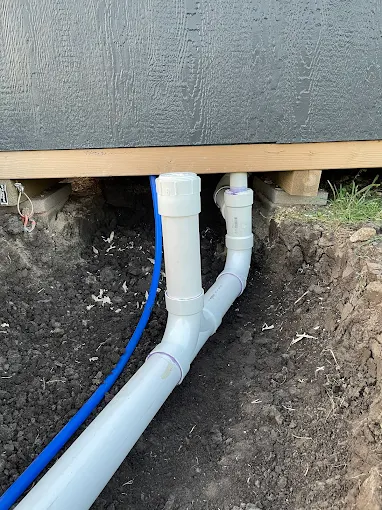
Material selection is another key aspect of drain installation. Modern homes typically use PVC or ABS plastic for drain lines because they are durable, resistant to corrosion, and relatively easy to work with. Older homes in Keller may have cast iron, clay, or even galvanized steel drains, which can corrode, crack, or shift over time. When installing new drains, plumbers may recommend transitioning from old materials to modern piping to improve reliability. Properly installed transitions, using the right fittings and methods, ensure a secure and long-lasting connection between old and new sections.

Preventive Care And When To Call A Pro

While major drain repairs and installations should be handled by licensed professionals, there is a lot homeowners can do to reduce the risk of emergencies. Simple habits such as keeping grease out of kitchen sinks, using hair catchers in showers, and avoiding flushing wipes or hygiene products can dramatically reduce clogs. Periodic cleaning of stoppers and traps, especially in bathroom sinks and tubs, helps keep things flowing smoothly. In homes with large families or heavy kitchen use, scheduling periodic professional drain cleaning can be a smart preventive measure.

Paying attention to early warning signs is equally important. Slow drains throughout the house, gurgling sounds from toilets, water backing up in a tub when the washing machine drains, or persistent sewer odors are all signals that should not be ignored. These symptoms often indicate a developing problem in the main line rather than a simple localized clog. In Keller’s climate and soil conditions, small issues can escalate quickly, especially if roots are involved or if the pipe is already weakened.

Knowing when to call a professional like All Source Plumbing can save both time and money. If a plunger or basic household tool does not resolve the issue, or if the same drain clogs again soon after a DIY fix, it is time for expert help. Likewise, any sign of sewage backing up into fixtures, wet spots in the yard that smell bad, or repeated clogs in multiple fixtures should be treated as urgent. A licensed plumber can diagnose the problem accurately, recommend the most effective repair or installation method, and ensure that the work is safe, code-compliant, and built to last.

Frequently Asked Questions

How do I know if my main drain line is the problem? When the main drain line is blocked or damaged, multiple fixtures are usually affected. For example, you might notice that flushing a toilet causes water to back up into a tub, or that several drains in the house become slow at the same time. Gurgling sounds from toilets, sewer odors, and backups after heavy water use are also common signs. If more than one fixture is having trouble, especially on the lowest level of your Keller home, it is likely a main line issue that needs professional attention from a company like All Source Plumbing.

Are chemical drain cleaners safe to use? Many store-bought chemical drain cleaners can be harsh on pipes, especially older metal or fragile lines. They often generate heat and can damage pipe materials or worsen existing weaknesses. Additionally, they may only clear a small opening through a clog rather than removing the buildup completely, leading to recurring issues. In most cases, mechanical methods like plunging or using a small hand auger are safer for minor clogs. For persistent or recurring problems, it is better to have a professional plumber clean and inspect the drain rather than relying on chemicals.

How often should I have my drains professionally cleaned? The ideal frequency depends on how heavily your drains are used and the age and condition of your plumbing. Many Keller homeowners benefit from professional drain cleaning every one to two years, especially if they cook frequently, have large households, or live in older homes with aging pipes. Regular cleaning helps remove buildup before it becomes a full blockage and can extend the life of your drain system. During these visits, plumbers can also spot early signs of trouble, such as minor root intrusion or developing pipe bellies.

Can I install new drains myself during a remodel? While handy homeowners can tackle some basic plumbing tasks, drain installation during a remodel or addition is best left to licensed professionals. Proper drain installation involves understanding pipe sizing, slope, venting requirements, and local building codes. Mistakes can lead to chronic clogs, sewer gas leaks, and failed inspections, which may delay your project and increase costs. In Keller, working with a professional like All Source Plumbing ensures that new drains are installed correctly, safely, and in compliance with local regulations.

What should I do if I suspect a broken underground drain pipe? Signs of a broken underground drain pipe include persistent yard wet spots, patches of unusually green grass, recurring backups in multiple fixtures, and strong sewer odors outside. If you notice these, avoid using large amounts of water in the home to prevent further backups and call a plumber promptly. Professionals can perform camera inspections and other diagnostics to confirm the problem and determine the best repair method, whether that is spot repair, pipe replacement, or a trenchless solution. For local help, searching for Drain repair near me and choosing an experienced Keller-area company like All Source Plumbing is a smart first step.

Leave a Comment

Your email address will not be published. Required fields are marked *

Call
Contact
Search Website
Contact
Call
Text
Email