
Plumbing services in Keller, TX

Repairing and Installing Drains Effectively

Walk into any home in Keller, TX after a heavy rain or a big family gathering, and you can tell immediately whether the drains are doing their job. Sinks either clear quickly and quietly, or they gurgle, back up, and leave behind murky water and bad odors. Repairing and installing drains effectively is not just about convenience; it directly affects the health of your plumbing system, the cleanliness of your home, and even your long-term repair costs. When drains are neglected or installed poorly, problems that start small can escalate into slab leaks, damaged cabinets, mold growth, and recurring clogs that never seem to stay fixed.

Right now, this matters more than ever for Keller homeowners because modern households put more demand on their plumbing systems than in years past. Larger families, more frequent cooking at home, powerful appliances, and even water-saving fixtures all change how water and waste move through your drains. If the drainage system is not designed, installed, and maintained to handle that load, you may find yourself dealing with slow drains in the kitchen, standing water in the shower, or a laundry sink that overflows every time you wash clothes. Effective drain repair and installation is how you future-proof your home against these frustrations.

Professional plumbers like All Source Plumbing see this every day: a home with chronic drain issues that could have been avoided with the right pipe sizing, slope, venting, and quality materials from the beginning. Even when a system is already in place, thoughtful repairs and upgrades can transform a troublesome drain network into one that runs quietly in the background, year after year. Understanding what makes a drain system effective, and how to approach both repairs and new installations, gives Keller homeowners the power to make smarter decisions and avoid throwing money at temporary fixes.

How Residential Drains Really Work

To repair or install drains effectively, it helps to start with how the system is meant to function. Every drain in your home, whether it is under a kitchen sink or in a backyard cleanout, relies on gravity and proper venting to move wastewater away. Pipes must be sized correctly and sloped at the right angle so that water carries waste along without leaving solids behind. Too flat, and debris settles; too steep, and water outruns the solids, leading to buildup. This balance is one of the most overlooked details in DIY installations.

Vent pipes play a surprisingly big role as well. They allow air into the system so wastewater can flow smoothly without creating vacuum locks or siphoning water out of traps. When vents are missing, undersized, or clogged, you may hear gurgling sounds, smell sewer gas, or notice that one fixture affects another—like a toilet flush causing a nearby sink to bubble. Proper venting is critical in both new installations and in troubleshooting existing problems, especially in multi-story homes and remodels.

Another key piece is the trap under each fixture, the curved section of pipe that holds a small amount of water. This water barrier keeps sewer gas from entering the home. If a trap is incorrectly installed, allowed to dry out, or connected with poor-quality fittings, you’ll not only deal with odors but also a higher risk of clogs right at the fixture. When All Source Plumbing evaluates drain issues in Keller, TX homes, they look at all these components together rather than just attacking the symptom at the surface.

Finally, everything in your home’s drainage network ties into the main sewer line running out to the city connection or septic system. A well-functioning main line is essential, but it can only do its job if the branch lines feeding into it are designed and installed correctly. That is why effective drain work is always holistic: a repair in one area must respect the way the entire system is laid out.

Signs Your Drains Need More Than A Quick Fix

Most people first notice a problem when a sink or tub starts draining slowly. While a bottle of store-bought drain cleaner may seem like an easy solution, recurring slow drains are usually a sign of deeper issues that chemicals cannot resolve. For instance, if multiple fixtures in your Keller home are slow at the same time, the problem may be in a shared branch line or the main sewer line, not just in one P-trap. Pouring caustic cleaners down every drain can damage pipes and still leave the underlying issue unresolved.

Strange sounds are another red flag. Gurgling, glugging, or slurping noises from drains or toilets often point to venting problems or partial blockages that trap air in the line. These sounds may occur even when the water eventually goes down, leading homeowners to ignore them. However, they usually indicate that the system is struggling and that a more thorough inspection is warranted before a full blockage occurs.

Odors are equally important. A persistent sewer smell around a sink, shower, or floor drain may mean a dry trap, a cracked pipe, or a misaligned connection in the wall or under the slab. Because Keller, TX experiences temperature swings, expansion and contraction of pipes can worsen tiny gaps over time. All Source Plumbing technicians often trace these smells back to issues that have been quietly brewing for months or even years, out of sight.

Frequent clogs—particularly when you are already careful about what goes down the drain—are a strong indicator that the pipe interior is damaged or improperly sloped, or that tree roots have made their way into the line. In such cases, snaking the line repeatedly is like mowing weeds without pulling the roots; you will be dealing with the same problem again and again until the underlying cause is addressed through proper repair or replacement.

Best Practices For Effective Drain Repairs

When a drain problem surfaces, the most effective repairs start with accurate diagnosis rather than guesswork. Professional plumbers in Keller often use tools such as video camera inspections to see exactly what is happening inside the pipes. This approach can reveal cracks, bellies (sags in the line), root intrusion, or buildup like grease and scale that would otherwise be invisible. With a clear picture, All Source Plumbing can recommend targeted repairs instead of trial-and-error fixes.

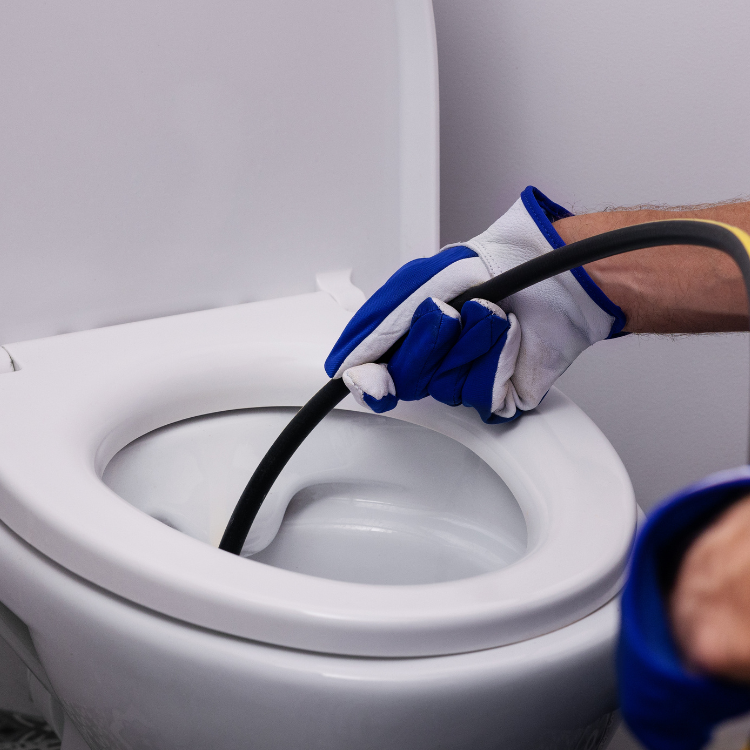
Mechanical cleaning is usually preferred over harsh chemicals. Tools like drain snakes, augers, and hydro jetting equipment physically remove clogs and buildup. Hydro jetting, in particular, uses high-pressure water to scour the inside of pipes, restoring much of their original diameter. This not only clears existing blockages but also helps prevent new ones from forming in the same spot. Chemical cleaners, by contrast, can corrode pipes, especially older metal lines, and may only punch a small hole through a larger obstruction.

When pipes are damaged, effective repair means choosing methods and materials that match the condition and location of the line. In some cases, a small section of pipe can be cut out and replaced. In others, trenchless repair techniques may be an option, reducing the need for extensive digging in your yard or under floors. The goal is always to restore structural integrity, proper slope, and smooth interior surfaces so water and waste can move freely.

Finally, a quality repair includes addressing the cause, not just the symptom. If a kitchen drain clogs because of grease buildup, the fix is not just clearing the line; it also involves discussing better disposal habits and possibly adding cleanouts for easier future maintenance. If a bathroom drain repeatedly backs up due to an undersized branch line, upsizing that section during the repair can prevent years of future trouble. This long-view approach is what separates effective repairs from quick patches.

Planning And Installing New Drains The Right Way

New drain installations, whether for a remodel, an addition, or new construction in Keller, TX, are an opportunity to get things right from the start. The design stage is critical. Plumbers must consider fixture locations, expected water use, code requirements, and how all the pieces will connect to the existing system. Poor planning often leads to sharp turns, long horizontal runs without proper slope, or fixtures sharing lines in ways that cause cross-interference.

Pipe sizing and layout are two of the most important design choices. Each fixture has a required drain size and trap size, and the combined flow of multiple fixtures dictates the size of the branch and main lines they connect to. Using pipes that are too small increases the risk of clogs; using pipes that are unnecessarily large can complicate installation and cost more without real benefit. Experienced plumbers like All Source Plumbing know how to balance these factors according to local codes and real-world usage patterns.

Proper venting must be integrated into the design from the beginning. Every fixture needs either a direct vent or an approved alternative such as an air admittance valve, where allowed by code. In multi-story homes, vent stacks must be routed carefully to avoid structural obstacles while still rising above the roofline at the correct height. Missing or poorly placed vents can cause chronic gurgling, slow drainage, and trap siphoning that is difficult to correct after the walls are closed.

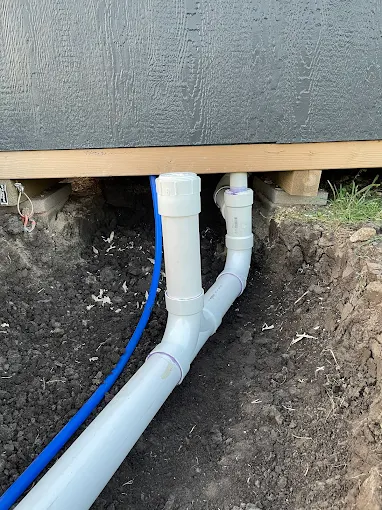
During installation, attention to detail is everything. This includes setting the correct slope on horizontal runs, using the right fittings (such as long-sweep elbows instead of tight 90-degree turns where appropriate), and securing pipes so they do not sag over time. Proper testing—typically with water or air pressure—should be performed before the system is covered. In Keller’s clay soils, which can shift with moisture changes, secure mounting and support of drain lines is especially important to prevent future misalignment and leaks.

Materials, Local Conditions, And Long-Term Reliability

The materials chosen for drain installation and repair have a big influence on how long the system will last and how well it will perform. Modern homes often use PVC or ABS plastic for drain, waste, and vent lines because these materials are resistant to corrosion and relatively easy to work with. Older Keller homes may still have cast iron, galvanized steel, or even clay pipes in certain sections. When repairing or tying into these older materials, proper transition fittings are crucial to prevent leaks and misalignments.

Local soil conditions and climate should also guide decisions. In areas of Keller with expansive clay soil, underground pipes can experience shifting and stress as the ground swells and contracts with moisture changes. Using durable materials, proper bedding, and correct installation depth helps protect the pipes from these forces. In some cases, rerouting or reinforcing lines can be warranted if past movement has already caused recurring problems.

Inside the home, the right selection of traps, cleanouts, and access points can make future maintenance far easier. Strategically placed cleanouts allow plumbers to quickly reach problem areas without cutting into walls or tearing up landscaping. This foresight during installation or major repair work can save homeowners substantial money and hassle over the life of the system.

Finally, good drain design and installation should account for evolving household needs. A family that plans to add a bathroom, finish a basement, or install a high-output appliance later may benefit from oversized or pre-planned drain connections today. All Source Plumbing can help Keller homeowners think ahead, ensuring that current projects do not limit future upgrades or require extensive rework down the line.

Preventive Care And Everyday Best Practices

Even the best-designed and most carefully installed drain system needs sensible everyday use and periodic maintenance to stay in top shape. One of the simplest habits is to be selective about what goes down the drain. In the kitchen, grease, oils, coffee grounds, and fibrous foods like celery or onion skins are common culprits that lead to buildup and clogs. Scraping plates into the trash before rinsing and using sink strainers can significantly reduce the load on your drains.

In bathrooms, hair and soap scum are major sources of clogs. Installing hair-catching strainers in shower and tub drains and cleaning them regularly can prevent a surprising number of issues. Avoid flushing wipes, even those labeled as “flushable,” along with cotton swabs, feminine products, and other non-dissolving items. These products often accumulate in bends and joints, especially in older pipes with rougher interior surfaces.

Routine professional maintenance is another powerful tool. Periodic inspections and cleaning, especially of the main sewer line, can catch developing problems before they turn into emergencies. For homes with large trees nearby, annual or biannual checks for root intrusion may be wise. In many Keller neighborhoods, mature trees and older sewer lines intersect, making this a common source of trouble.

Being attentive to early warning signs—slower-than-usual drains, occasional gurgling, or faint odors—and calling a professional like All Source Plumbing promptly can keep a minor issue from becoming a major disruption. Combining good daily habits with strategic preventive care is the most reliable way to keep your drains effective and your home comfortable.

Frequently Asked Questions

How do I know if I need a professional for a clogged drain? If a single sink is draining slowly and you can see debris in the stopper or trap, you may be able to clear it safely using a plunger or by removing and cleaning the trap. However, you should call a professional plumber if multiple fixtures are slow, if clogs return quickly after you clear them, if you hear gurgling from other drains when you use water, or if sewage backs up into tubs, showers, or floor drains. These are signs of deeper issues in the branch lines or main sewer line that require specialized tools and expertise to diagnose and repair effectively.

Are chemical drain cleaners safe for my pipes? Most over-the-counter chemical drain cleaners are harsh and can damage your plumbing over time, especially in older metal pipes. They generate heat and can weaken pipe walls, soften certain plastics, and damage rubber seals. They also rarely remove a clog completely; instead, they may melt a small channel through it, leading to recurring problems. For both safety and long-term effectiveness, mechanical methods such as snaking or hydro jetting, performed by a professional, are generally a better choice.

What is hydro jetting, and when is it needed? Hydro jetting is a drain cleaning method that uses high-pressure water to scour the inside of pipes, removing grease, scale, sludge, and even some tree roots. It is particularly useful for main sewer lines or heavily used commercial drains that have significant buildup. In residential Keller homes, hydro jetting is often recommended when recurring clogs or slow drains indicate that the interior of the pipe has narrowed due to long-term accumulation. A plumber will typically inspect the line with a camera first to ensure the pipe is in good enough condition to withstand the pressure.

How can I prevent tree roots from damaging my sewer line? Tree roots naturally seek out moisture and can enter sewer lines through tiny cracks or joints. To reduce the risk, avoid planting trees with aggressive root systems directly over or near your sewer line, and keep existing trees well watered so their roots are less likely to chase moisture into your pipes. Regular camera inspections can detect early root intrusion, and periodic professional cleaning can remove roots before they cause serious damage. In some cases, repairing or replacing damaged sections of pipe with more root-resistant materials is the best long-term solution.

Can drain work be combined with other plumbing upgrades? Yes. Many Keller homeowners choose to coordinate drain repairs or installations with other plumbing improvements to save time and reduce disruption. For example, if you are remodeling a bathroom or upgrading to an Electric tankless water heater, it can be efficient to assess and upgrade nearby drain and vent lines at the same time. All Source Plumbing can help plan integrated projects so that new fixtures, hot water systems, and drainage all work together smoothly, giving you a more reliable and efficient plumbing system overall.

Leave a Comment

Your email address will not be published. Required fields are marked *

Call
Contact
Search Website
Contact
Call
Text
Email