


Plumbing services in Keller, TX

Professional Slab Leak Location Detection Methods

The first sign was not dramatic. No geyser of water, no flooded living room, no obvious disaster. It was a faint hissing sound near the hallway in a Keller, TX home, a small warm spot on the tile that never seemed to cool, and a water bill that quietly crept higher every month. The homeowner had walked that hallway a thousand times and never thought twice about the slab beneath their feet. But below the surface, a hidden leak in a hot-water line was slowly eroding the foundation and wasting hundreds of gallons of water.

Moments like this are where professional slab leak location methods make all the difference. Unlike a dripping faucet or a visibly broken pipe, slab leaks are buried under concrete, often several inches thick, woven between structural supports and utility lines. Guessing where to cut into the slab is not an option. Every mistake is a hole in your floor, extra repair costs, and more time living in a construction zone. That is why precise, methodical detection is essential, and why homeowners in Keller rely on companies like All Source Plumbing to find leaks accurately before any concrete is disturbed.

Modern slab leak detection is a blend of science, specialized tools, and field experience. It is not one single test, but a layered process that narrows down the leak’s location step by step. Technicians use pressure, sound, temperature, and even gas behavior to read what is happening under the slab. Understanding these methods helps homeowners appreciate why a professional approach is so important—and why the cheapest “quick look” is often the most expensive choice in the long run.

Understanding Slab Leaks

Before diving into the tools and techniques, it helps to understand what a slab leak actually is. In Keller and throughout North Texas, many homes are built on concrete slab foundations. Water lines, usually copper, PEX, or PVC, run under or through the slab to supply sinks, showers, water heaters, and outdoor spigots. When one of these pressurized lines develops a crack, pinhole, or joint failure, water begins escaping into the soil and concrete beneath the home.

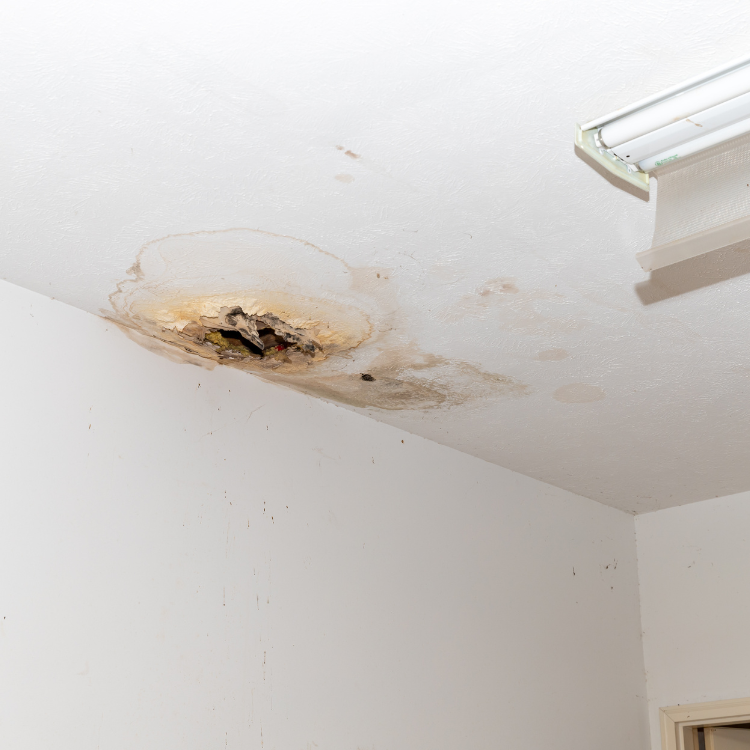
Slab leaks can be caused by a variety of factors: shifting clay soils common in Tarrant County, corrosion of older copper pipes, poor installation, or even small rocks under the pipe that slowly rub a hole through it over time. Because the leak is hidden, homeowners often do not notice until secondary symptoms appear: warm flooring, damp spots along baseboards, unexplained mildew smells, or the sound of water running when all fixtures are off. By the time these clues appear, the leak may have been active for weeks or months.

Untreated, a slab leak can undermine the structural integrity of the foundation. Water can wash away soil, create voids under the slab, and contribute to cracks and uneven settling. It can also attract termites, promote mold growth, and cause damage to flooring and finishes. This is why accurate location is not just about stopping the leak; it is about minimizing structural damage and ensuring that repairs are as targeted and non-invasive as possible.

Because of the risks and the complexity of slab construction, professional plumbers in Keller, like All Source Plumbing, follow a systematic diagnostic process instead of relying on guesswork. They verify that a leak exists, isolate the affected line, and then pinpoint the leak’s exact or near-exact position before any breaking of concrete begins.

Initial Diagnosis And Verification

The first phase in professional slab leak detection is confirming that a slab leak is truly present. Many symptoms of slab leaks can mimic other plumbing problems, such as a running toilet, a leaking irrigation line, or a dripping water heater. A trained technician starts by ruling out these simpler issues, which can save homeowners time and money if the problem turns out to be above ground.

One of the most common verification tools is a whole-house water meter test. The plumber will make sure all fixtures and appliances are turned off, then check the water meter outside the home. If the meter is still spinning or the leak indicator is moving, it suggests a hidden pressurized leak. In some cases, the main shutoff valve is used to separate the home from the yard or irrigation system, helping determine if the leak is inside the house footprint or in an exterior line.

Once an active leak is confirmed, the next step is to determine whether it affects the hot or cold water system. A typical method involves shutting off the valve to the water heater and watching the meter again. If the meter stops, the leak is likely on the hot water side; if it continues, the cold water lines may be at fault. This simple distinction greatly narrows the search area, especially in homes where hot and cold lines are routed differently under the slab.

Technicians will also walk the home, listening carefully, feeling for unusual warm spots on hard flooring, and looking for subtle signs like hairline cracks, moisture at the edges of rooms, or localized discoloration in grout lines. These observational skills, combined with meter tests, set the stage for the use of more advanced detection tools.

Electronic Acoustic Leak Detection

One of the most powerful tools in professional slab leak location is electronic acoustic leak detection. Under pressure, water escaping from a pipe creates distinct sounds: hissing, whooshing, or even a faint rumble, depending on the size and nature of the leak. These sounds travel through the pipe, the surrounding soil, and the concrete slab. While they are often inaudible to the human ear alone, specialized sensors can pick them up and amplify them.

In practice, a plumber from All Source Plumbing might use a highly sensitive ground microphone or electronic listening device, moving systematically across the suspected area of the foundation. By listening at multiple points—along walls, in hallways, near fixtures—the technician can compare noise levels. The sound grows louder and more distinct as the sensor approaches the leak source, allowing them to hone in on a specific region.

These systems often include adjustable filters that help distinguish leak sounds from background noise such as footsteps, HVAC systems, or street traffic. In Keller’s busy neighborhoods, where outside noise can be a factor, this filtering is crucial. Technicians may perform tests at quieter times of day or ask occupants to minimize movement during sensitive listening passes to improve accuracy.

Acoustic detection requires both good equipment and experienced ears. Not all sounds are equal, and different pipe materials transmit noise differently. Copper, for example, may carry leak sounds more clearly than certain types of plastic. Skilled plumbers learn to interpret these variations, combining what they hear with their knowledge of the home’s plumbing layout to form a precise mental map of where the leak is likely located under the slab.

Thermal Imaging And Temperature Mapping

For hot water slab leaks, temperature-based methods can be particularly effective. When a hot water line is leaking beneath the slab, the escaping water warms the surrounding concrete and flooring. Over time, this creates subtle temperature patterns that can be detected with infrared (IR) cameras and non-contact thermometers.

An infrared camera translates surface temperatures into a color-coded image, where warmer areas appear different from cooler ones. In a Keller home with tile or laminate flooring, a technician may scan rooms suspected of harboring a hot water leak. A narrow band or irregular patch of elevated temperature across the floor can point to the path of a hot water line and highlight potential leak zones.

Thermal imaging is not magic; it does not see “through” concrete in the literal sense. Instead, it reveals how heat from the leaking pipe affects the surface above. Factors like sun exposure, HVAC vents, and appliances can also affect temperature readings, so professionals interpret IR images in context. They may perform scans at times when the sun is not directly heating the slab, or briefly run hot water to increase the temperature contrast in the affected line.

When used alongside acoustic methods, thermal imaging becomes a powerful cross-check. If listening devices suggest a leak in a particular hallway and thermal imaging shows a matching warm zone, confidence in the location increases significantly. This layered confirmation reduces the chance of unnecessary demolition and focuses repair efforts on the smallest possible section of slab.

Tracer Gas And Pressure Isolation

In some situations, especially when leaks are small, deep, or masked by noise, acoustic and thermal methods alone may not be sufficient. That is where tracer gas testing and pressure isolation techniques come into play. These methods are more specialized but can be incredibly precise when used by trained professionals.

Pressure isolation begins with separating different sections of the plumbing system. The plumber may cap or valve off branches of the hot and cold water lines, then pressurize each section independently. By monitoring pressure gauges over time, they can identify which specific branch is losing pressure and therefore likely contains the leak. This step-by-step isolation is particularly useful in larger homes in Keller where multiple manifolds or complex plumbing layouts are present.

Tracer gas testing goes a step further. After isolating the suspected line, the plumber introduces a safe, non-toxic gas mixture—often a blend of hydrogen and nitrogen—into the pipe under controlled pressure. This gas is lighter than air and can escape through tiny openings more readily than water. Above the slab, a sensitive gas detector is used to “sniff” for the gas that has migrated through the concrete and flooring, pinpointing the leak location.

Because tracer gas molecules are so small, this method can detect leaks that are too fine to create strong acoustic signals. It is also valuable when ambient noise levels are high or when floor coverings dampen sound transmission. While not needed for every job, tracer gas is a critical part of the toolkit for challenging slab leaks, and professional teams like All Source Plumbing know when its use will add value and accuracy.

Pipe Mapping, Correlation, And Minimizing Destruction

Accurate leak location is only part of the equation; knowing exactly where the pipes run under the slab is equally important. Professional plumbers often use pipe tracing and electronic locating equipment to map out the route of water lines beneath the home. This may involve sending a signal through a metallic pipe or using a transmitter attached to a plumbing cable, then tracking it from above with a receiver to mark the pipe path on the floor.

By overlaying the suspected leak area (from acoustic, thermal, or gas testing) with the mapped pipe route, technicians can choose the most strategic spot to open the slab. This minimizes the size and number of access holes, reduces disruption to flooring, and shortens repair time. In many Keller homes, where decorative flooring or built-ins are present, careful planning can mean the difference between a small, easily patched opening and a major remodel.

Some advanced systems use acoustic correlation, where sensors placed at two or more points on a pipe listen simultaneously. By analyzing the time delay of the leak sound reaching each sensor, the system mathematically calculates the leak’s position along the pipe. While more commonly used in municipal water systems, scaled-down versions of this technology can assist in complex residential cases.

The ultimate goal of all these methods is precision. Every inch matters when you are cutting through concrete, moving furniture, and pulling up flooring. With professional slab leak location methods, All Source Plumbing can often limit demolition to a very small, targeted area, preserving as much of the home’s structure and finishes as possible while still fully repairing the damaged line.

Why Professional Detection Matters In Keller

North Texas presents some unique challenges for slab leak detection and repair. Keller’s expansive clay soils swell when wet and shrink when dry, placing ongoing stress on both foundations and the pipes that run through or beneath them. Seasonal shifts can exacerbate minor weaknesses in plumbing lines, turning small flaws into active leaks over time.

Because of these conditions, slab leaks are not rare in the area, and that familiarity works in homeowners’ favor when they choose an experienced local company. A team that regularly works on Keller homes understands typical plumbing layouts for local builders, common problem spots, and how soil and foundation behavior in this region can affect leak patterns. This local knowledge, combined with advanced equipment, leads to faster, more accurate diagnoses.

There is also a financial dimension. Slab work is among the more invasive and expensive categories of residential plumbing repair. Attempting DIY detection, or hiring someone who lacks proper tools, often results in multiple exploratory cuts, misdiagnosed leaks, or partial fixes that fail after a short time. Professional methods may seem like an added step, but they are usually what keeps overall project costs and disruption under control.

In addition, professional plumbers can evaluate whether spot repair, rerouting of lines, or more extensive repiping is the best long-term solution. Sometimes opening the slab at the leak is appropriate; in other cases, bypassing the damaged section with a new overhead route through walls or attic space is more reliable. Accurate location data is the foundation for making these decisions wisely.

Frequently Asked Questions

How can I tell if I might have a slab leak? Common warning signs include a sudden or gradual increase in your water bill, the sound of water running when all fixtures are off, warm spots on tile or concrete floors, unexplained cracks in flooring or walls, damp carpet near interior walls, or mildew-like odors. If you are in Keller, TX and notice any combination of these symptoms, it is wise to have a professional inspection before damage progresses.

Do plumbers have to tear up my whole floor to find the leak? No. Modern slab leak detection methods are designed specifically to avoid that kind of destruction. Using acoustic listening devices, thermal imaging, pressure isolation, and sometimes tracer gas, a professional can typically narrow the leak to a very small area. Only after the location is identified will they cut into the slab, and even then, the opening is kept as compact as possible to access and repair the pipe.

How long does professional slab leak detection usually take? In many average-sized homes, initial diagnosis and location can be completed within a few hours, especially if the symptoms are clear and the plumbing layout is straightforward. More complex homes, multiple leaks, or challenging conditions (such as significant background noise or layered flooring) can extend the process. However, the time invested in precise detection is almost always repaid through more efficient and less invasive repairs.

Are slab leak detection methods safe for my home and family? Yes. The tools and techniques used by reputable companies like All Source Plumbing are designed to be safe and non-destructive. Acoustic listening and thermal imaging are completely non-invasive. Tracer gases used in leak detection are non-toxic and introduced under controlled conditions, then vented harmlessly. Pressure tests are performed within safe limits for residential plumbing systems.

What happens after the leak is found? Once the leak is located, the plumber will discuss repair options with you. Depending on the pipe’s condition and location, they may recommend opening the slab to repair or replace the damaged section, rerouting the affected line through walls or ceilings, or, in some cases, a more extensive repipe if multiple weak points are likely. They will also address any related plumbing needs, such as evaluating water pressure or discussing services like Drain installation if your system shows signs of broader wear. The goal is not just to fix the immediate leak, but to protect your Keller home from future problems as well.

Leave a Comment

Your email address will not be published. Required fields are marked *

Call
Contact
Search Website
Contact
Call
Text
Email