
Clogged or damaged drains rarely give you a polite warning. One day everything seems fine, and the next, you are staring at a slowly draining tub, hearing gurgling from the kitchen sink, or smelling something unpleasant from a floor drain. An essential guide to drain repair solutions matters right now because modern homes in Keller, TX rely on an extensive network of pipes and fixtures that are under constant stress from daily use, shifting soil, and aging infrastructure. When a drain problem appears, knowing your options can mean the difference between a quick, targeted repair and a messy, expensive plumbing disaster.
In a fast-growing community like Keller, where many homes blend newer construction with older plumbing lines, being informed is more important than ever. Homeowners are dealing with everything from tree root intrusion in older clay or cast-iron lines to grease buildup and foreign objects in newer PVC systems. All Source Plumbing sees every level of drain issue, from minor clogs to full collapses of underground lines. Understanding what is happening inside your drains, which repair methods are available, and when to call a professional gives you real control over your home’s plumbing health.
This guide walks through the most common drain problems, how professionals diagnose them, and the repair solutions that actually work. Instead of guessing or relying on quick chemical fixes that can damage your pipes, you will see how a step-by-step approach helps protect your home, your budget, and your peace of mind. Whether you are dealing with a chronic slow drain or worried about a possible sewer line issue, these insights are designed to help Keller homeowners make smart, confident decisions.
Understanding Your Drain System
Before exploring repair solutions, it helps to understand what your drain system actually does. Every sink, shower, tub, toilet, and appliance in your home connects to a network of drain pipes that carry used water and waste away from your house and into the city sewer system or a septic tank. Those pipes rely on gravity, proper slope, and venting to keep wastewater moving in the right direction and to prevent sewer gases from entering your living spaces. When any part of that system fails, symptoms can show up in surprising ways, sometimes far from the actual problem.
In Keller, TX homes, interior drain lines are often made of PVC, while older properties may still have cast iron or even galvanized steel. Outside, the main sewer line running from your home to the street could be PVC, cast iron, or clay, depending on the age of the property and past repairs. Each material has its own vulnerabilities: cast iron can rust and scale, clay is prone to root intrusion, and PVC, while durable, can shift or crack if the soil moves or if it was not installed correctly. Understanding which materials your home has can help explain the type of drain issues you are likely to face.
Your drain system also includes vent pipes that extend through the roof. These vents let air into the system so water can flow smoothly and traps can maintain water seals. When vents are blocked by debris, leaves, or even bird nests, drains can slow down, gurgle, or lose their traps, leading to odors. All Source Plumbing technicians routinely find that what seems like a simple clog is actually a symptom of a bigger issue in the overall drain and vent network.
Knowing these basics helps you see why some problems cannot be solved with a plunger alone. A slow drain might be a local blockage in the trap, or it might be a sign of a partial obstruction in the main line. A recurring clog in the same fixture suggests something is wrong in that particular branch, while multiple fixtures backing up at once often points to a main drain or sewer issue. The more familiar you are with how your system is laid out, the better prepared you are to explain symptoms to a plumber and understand their recommendations.
Common Drain Problems In Keller Homes
Drain issues tend to follow patterns, especially in a specific area like Keller. One of the most common problems All Source Plumbing encounters is the classic slow kitchen sink. Grease, soap scum, and food particles build up over time on the inside of pipes, gradually narrowing the passageway. Even if you never pour oil directly down the drain, small amounts from cooking, combined with soap and debris, form a sticky coating that catches everything else. Eventually, water struggles to get through, and you are left with standing water in the sink and unpleasant smells.
Bathroom drains present their own set of challenges. Hair and soap residue often combine to form stubborn clogs in shower and tub drains. In sinks, toothpaste, cosmetics, and shaving cream can create a sludge that coats the trap and nearby piping. Toilets can be overwhelmed by non-flushable items such as wipes, feminine products, and excessive amounts of paper. In many cases, these bathroom issues start small, with occasional slow draining or minor gurgling, and then suddenly escalate into full blockages if not addressed promptly.
More serious, and often more stressful, are problems with the main sewer line. When this line is obstructed or damaged, multiple fixtures throughout the house may back up, especially low-level drains such as floor drains, tubs, or first-floor showers. Tree roots are a frequent culprit in Keller, as roots naturally seek out moisture and can infiltrate small cracks or joints in underground pipes. Over time, they expand, catching debris and creating a dense blockage. Shifting clay soil and seasonal changes can also cause pipes to sag or break, leading to recurring clogs and even sewage backups inside the home.
Another common but less obvious issue is improper drain installation or slope. If a section of pipe does not have the correct pitch, wastewater can pool instead of flowing freely, creating what plumbers refer to as a “belly” in the line. These low spots collect solids and grease, eventually causing chronic problems that seem to reappear no matter how often you clear them. Identifying these installation defects usually requires professional diagnostic tools and is a key step in selecting the right repair solution.
How Professionals Diagnose Drain Issues
Effective drain repair always starts with accurate diagnosis. Rather than guessing where the problem might be, professional plumbers use a combination of experience and specialized tools to pinpoint the cause and location of the issue. For All Source Plumbing in Keller, this often begins with a thorough conversation about the symptoms you have noticed: which fixtures are affected, how long the problem has been going on, and whether there have been any recent plumbing changes or heavy rains that could be related.
The next step is usually to test how the system behaves. Plumbers may run water in multiple fixtures to see if the problem is isolated or affecting the main line. They may also listen for gurgling sounds, check for cross-impacts between fixtures (such as a toilet bubbling when a sink drains), and look for signs of venting problems. These observations help narrow down whether the issue is likely near a single fixture, in a branch line, or in the main sewer line leaving the house.
One of the most powerful diagnostic tools is the sewer camera inspection. A flexible cable with a high-resolution camera is fed into the drain system, transmitting real-time video to a monitor. This allows the plumber to see inside the pipes, identify blockages, cracks, root intrusion, and low spots, and determine the overall condition of the line. In Keller’s mixed housing stock, camera inspections often reveal older sections of pipe that were never updated, or poorly executed past repairs that are now failing.
In some cases, plumbers may also use location equipment to determine the exact position and depth of a defect underground. This is especially important if excavation might be needed. By combining camera footage with electronic locators, they can mark the precise spot in your yard or under your slab where the problem exists. This targeted approach minimizes disruption and helps you understand exactly what is being repaired and why, instead of opening up large areas of your property unnecessarily.
Drain Cleaning Vs. Drain Repair
Many homeowners assume that if water is not draining, the solution is simply to “clear the clog.” While drain cleaning is often the first step, it is important to understand the difference between cleaning and actual repair. Drain cleaning focuses on removing obstructions and buildup from inside the pipe so water can flow again. Repair, on the other hand, addresses structural problems with the pipe itself, such as cracks, breaks, misaligned joints, or sections that have sunk.
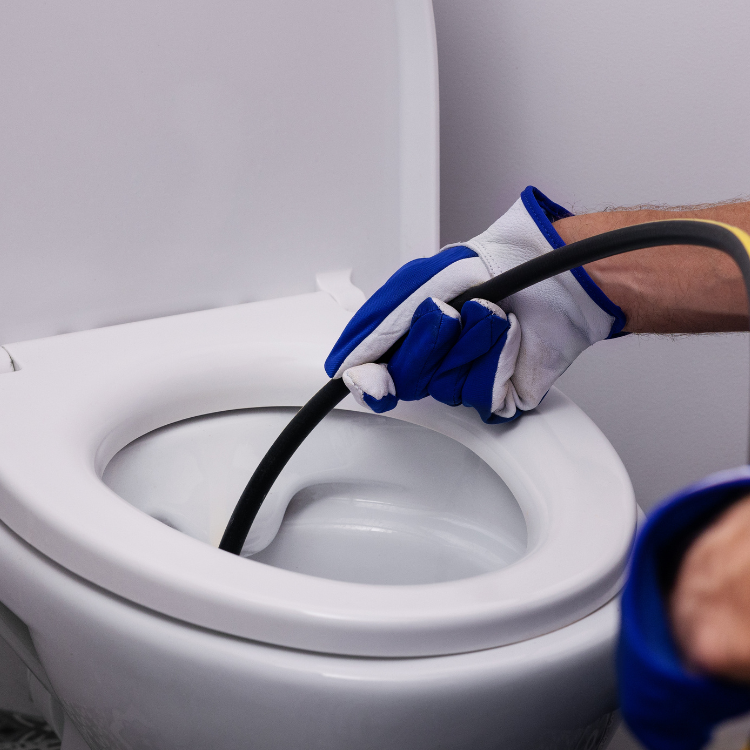
Professional drain cleaning may involve several methods. For lighter buildup and soft obstructions, a mechanical auger or drain snake can be used to break up and pull out debris. For heavier scale, grease, and root intrusion, hydro jetting is often more effective. This process uses high-pressure water jets to scour the inside of the pipe, cutting through roots, flushing away sludge, and restoring much of the original diameter of the line. When performed correctly by a trained technician, hydro jetting can provide long-lasting results and is especially valuable for main sewer lines.
However, if cleaning reveals that the pipe is cracked, collapsed, or severely misaligned, repair becomes necessary. Continuing to clean a structurally damaged line is like mopping a floor while the roof is still leaking; it may provide temporary relief but does not solve the underlying problem. In Keller, where soil movement and tree roots are persistent factors, All Source Plumbing often finds that recurring clogs in the same area are actually symptoms of a damaged section of pipe that needs more than just another cleaning.
Understanding this distinction helps you evaluate recommendations from any plumbing company. If you are told that repeated cleanings are needed, it is reasonable to ask whether a camera inspection has been performed and what the condition of the pipe looks like. A trustworthy plumber will explain when cleaning is sufficient and when repair or replacement is the more responsible long-term solution, taking into account your budget, the age of your home, and the severity of the damage.
Modern Drain Repair Solutions
Drain repair has advanced significantly over the past couple of decades. Homeowners in Keller now have access to solutions that are less invasive, more efficient, and often more durable than traditional methods. The right approach depends on the specific problem, pipe material, and location, but understanding the main options helps you have an informed conversation with your plumber.
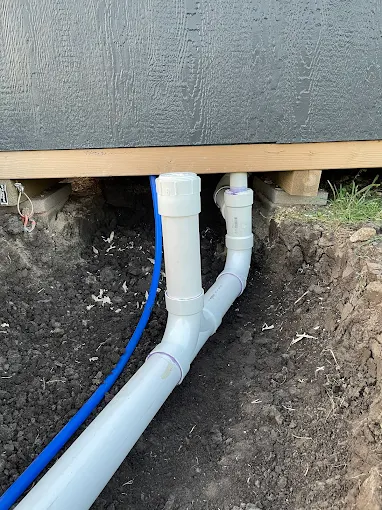
Traditional repair involves excavation to expose the damaged section of pipe, removing it, and installing new piping. This method is still necessary in some situations, especially when the pipe has completely collapsed or when multiple defects are present over a long section. While excavation can be disruptive to landscaping, driveways, or patios, careful planning and precise locating reduce the impact. All Source Plumbing works to limit the area disturbed and restore the site as much as possible once the repair is complete.
In some cases, trenchless repair methods may be available. Techniques such as pipe lining or pipe bursting can rehabilitate or replace sections of underground pipe with minimal digging. Pipe lining involves inserting a resin-saturated liner into the existing pipe and curing it in place, creating a new, smooth interior surface. Pipe bursting pulls a new pipe through the old one while simultaneously breaking the old pipe outward into the surrounding soil. These methods can be especially attractive when the affected line runs under driveways, mature trees, or other features you want to preserve.
For interior drains, repairs may involve replacing sections of corroded or improperly sloped piping, reconfiguring traps and vent connections, or upgrading old materials to modern PVC. In some Keller homes, partial repiping of drain lines within walls, attics, or crawl spaces can dramatically improve performance and reduce the risk of future leaks or blockages. A comprehensive evaluation by a licensed plumber helps determine whether a localized fix or a more extensive upgrade is the better investment for your specific situation.
Preventive Care And When To Call All Source Plumbing
While no home can be completely immune to drain issues, there is a lot you can do to reduce the likelihood of serious problems. Simple daily habits make a big difference: avoid pouring grease or cooking oil down the sink, use drain strainers to catch hair and food particles, and never flush wipes or hygiene products, even if the packaging claims they are “flushable.” These preventive steps help keep your pipes clear and extend the life of your drain system.
Scheduling periodic professional drain cleaning for high-use lines, especially the main sewer line, can also be a smart strategy in Keller. If your home has large trees nearby, older piping materials, or a history of problems, proactive maintenance allows All Source Plumbing to clear early root growth and buildup before it becomes a full blockage. Combining cleaning with occasional camera inspections gives you a clear picture of the hidden parts of your plumbing and lets you plan ahead for any future repairs instead of being caught off guard.
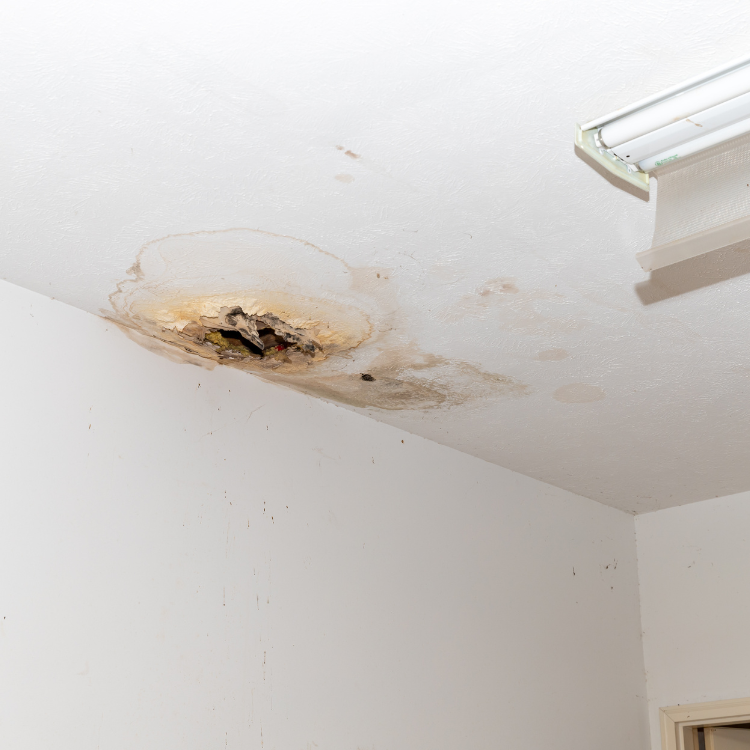
Knowing when to call a professional is just as important as preventive care. If you notice multiple drains backing up at once, sewage odors inside your home, frequent clogs in the same fixture, or water backing up when another fixture is used, it is time to bring in an expert. These signs often indicate a deeper issue in the main line or vent system that over-the-counter products or basic tools cannot resolve. Acting quickly can prevent water damage, mold growth, and more expensive structural repairs.
For Keller homeowners, working with a local company like All Source Plumbing means partnering with professionals who understand the specific soil conditions, common pipe materials, and typical layout of homes in the area. Their experience with both routine drain maintenance and complex repairs, including services like Water line slab leak repair, allows them to provide tailored solutions that fit your home and budget. Having a trusted plumber you can call when drain issues arise turns a stressful situation into a manageable one.
Frequently Asked Questions
How do I know if my drain problem is serious? A single slow sink or tub that improves with basic plunging is often a minor issue. However, if multiple fixtures are affected at the same time, if you see sewage backing up into tubs or floor drains, or if clogs keep returning in the same spot, you are likely dealing with a more serious problem. In Keller, recurring issues often point to tree roots, pipe damage, or improper slope in the main line. When in doubt, schedule a professional inspection so the underlying cause can be identified before it turns into a major backup.
Are chemical drain cleaners safe for my pipes? Many store-bought chemical drain cleaners use harsh ingredients that can generate heat and corrode certain pipe materials over time, especially older metal pipes. They also pose safety risks if splashed on skin or mixed with other cleaners. While they might provide temporary relief for minor clogs, they do not address deeper blockages, structural damage, or root intrusion. All Source Plumbing generally recommends mechanical or hydro jet cleaning methods instead, which are more thorough and safer for your plumbing system in the long run.
What is hydro jetting, and when is it needed? Hydro jetting is a professional drain cleaning technique that uses high-pressure water to clear blockages and buildup from the inside of pipes. A specialized nozzle is inserted into the line and blasts water in multiple directions, cutting through grease, scale, and roots while flushing debris out of the system. It is often recommended for main sewer lines with heavy buildup or recurring clogs, and for commercial or high-use residential drains. In Keller homes, hydro jetting is particularly effective for lines affected by tree roots or long-term grease accumulation.
Can trenchless drain repair work on any pipe? Trenchless methods such as pipe lining and pipe bursting are powerful tools, but they are not suitable for every situation. The existing pipe must be in a condition that allows a liner to be inserted and cured, or for a bursting head to be pulled through without causing unintended damage. Extremely collapsed or severely offset pipes may still require traditional excavation. A camera inspection by a qualified plumber in Keller is the best way to determine whether trenchless options are appropriate for your specific drain problem.
How often should I have my drains inspected? For many homes, a full camera inspection is not needed every year, but it becomes very valuable if you have experienced repeated clogs, own an older home, or are purchasing a property in Keller. As a general guideline, homeowners with mature trees near their sewer line or with older piping materials might benefit from an inspection every few years, combined with preventive cleaning as recommended by their plumber. Regular evaluations help catch small issues early and give you time to plan for repairs instead of facing sudden emergencies.