


The first sign is rarely dramatic. Maybe you notice a warm patch on the floor that never seems to cool down, even when the heater is off. Or your water bill jumps for the second month in a row, but you are sure your household habits have not changed. Perhaps there is a faint hissing sound near a wall, or a hairline crack in the tile that keeps getting longer. These small clues often point to a serious hidden problem: a slab leak forming beneath your home’s concrete foundation.
Slab leak location, prevention, and detection are not topics most homeowners think about until they are facing wet flooring, moldy smells, or foundation damage. Yet the plumbing lines that run beneath a concrete slab are under constant pressure and are vulnerable to age, corrosion, shifting soil, and installation defects. When a pipe begins to leak under the slab, water has nowhere obvious to go. It seeps silently through soil, travels along the underside of the concrete, and eventually shows up as structural damage or indoor moisture issues. By the time obvious symptoms appear, the leak may have been weakening your foundation for weeks or months.
Understanding how slab leaks happen, recognizing early warning signs, and knowing how professionals accurately locate and address them can save enormous repair costs and prevent serious structural problems. Instead of waiting for standing water or cracked foundations, you can learn how to spot subtle signals, invest in meaningful prevention, and understand the modern tools that experts use to pinpoint leaks without tearing up half your floor. Slab leak location is both a science and an art, and a proactive mindset is your best protection.
What A Slab Leak Really Is
A slab leak occurs when a water supply or return line located beneath a concrete slab foundation develops a breach. This can be a tiny pinhole from corrosion, a crack from shifting soil, or a failed joint where two sections of pipe meet. Because the pipe is encapsulated by soil and concrete, the water cannot simply drip into a visible area. Instead, it spreads horizontally, seeking the path of least resistance, which may be the underside of the slab, a nearby footing, or a weak point in the concrete.
There are generally two categories of slab leaks: hot water line leaks and cold water line leaks. Hot water leaks are often noticed sooner because they may create warm spots on floors or affect the performance of your water heater. Cold water leaks can be more elusive, sometimes only showing up as a slight drop in water pressure, a continually running meter, or subtle moisture changes. In both cases, the leak is hidden and can continue for an extended period before being discovered if you are not actively paying attention to signs.
It is important to distinguish slab leaks from other plumbing issues. A dripping faucet or exposed pipe leak is visible and easy to access; a slab leak is entirely concealed and interacts with your home’s structure. The water may undermine soil, causing voids beneath the foundation, which can lead to settling, cracks, and misaligned doors or windows. Because of this structural involvement, slab leaks are considered more serious than most typical plumbing problems and require specialized detection methods for accurate location.
Common Causes Beneath The Concrete
Several factors can cause a pipe under the slab to fail, and understanding them helps with both prevention and informed repair decisions. One of the most common causes is simple material fatigue and corrosion. Older homes often have copper or galvanized steel lines that gradually react with minerals in the water or chemicals in the soil. Over time, this reaction thins the pipe walls, leading to pinholes or splits. Even newer piping can suffer if the water chemistry is highly aggressive or if dissimilar metals were connected without proper fittings.
Soil movement is another major contributor to slab leaks. Expansive clay soils swell when wet and shrink when dry, exerting pressure on the foundation and the pipes below it. Seasonal changes, poor drainage, or tree roots drawing moisture from the soil can cause subtle but continuous shifting. Pipes that were installed with insufficient flexibility or without proper bedding can rub against rocks, rebar, or the concrete itself. This abrasion, combined with movement, can wear away protective coatings and eventually breach the pipe wall.
Installation practices at the time of construction also play a significant role. Pipes that were kinked, bent too sharply, or not adequately supported are more likely to fail sooner. In some cases, pipes are laid directly on sharp debris or are encased in concrete without protective sleeves, making them more vulnerable to stress and corrosion. High water pressure within the home’s plumbing system exacerbates all of these issues, placing constant strain on joints and fittings. Over years, the combination of pressure, movement, and material limitations can culminate in a slab leak.
Early Warning Signs You Shouldn’t Ignore
Detecting a slab leak early often starts with paying attention to subtle changes in your home’s behavior. One of the simplest indicators is your water bill. If your usage suddenly spikes without explanation, and there are no obvious leaks inside the house or in the yard, a hidden underground leak becomes a strong possibility. Likewise, if you turn off all fixtures and appliances and your water meter continues to move, that suggests water is escaping somewhere in the system, potentially under the slab.
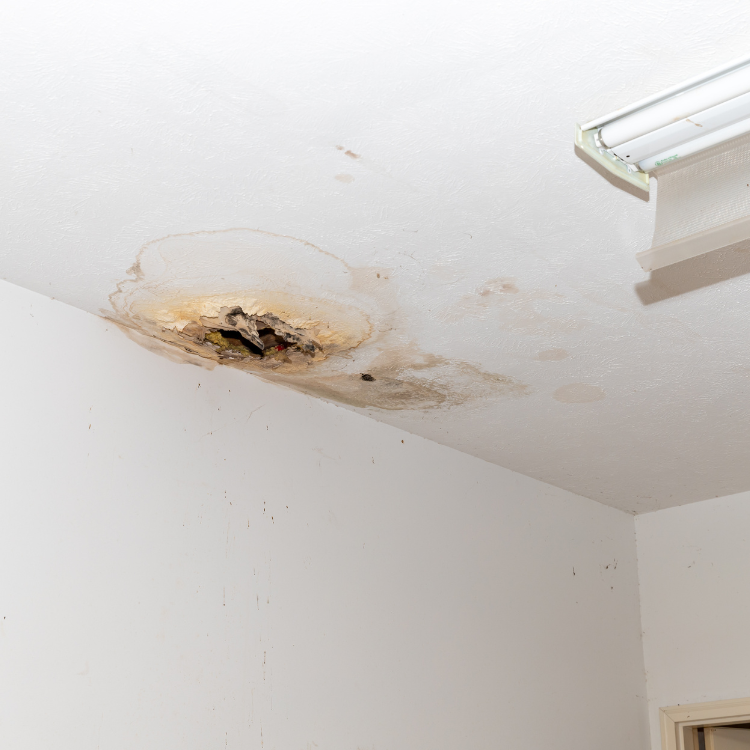
Floor-related symptoms are another important category of warning signs. Warm spots on tile, wood, or laminate flooring can indicate a hot water leak directly beneath that area. In some cases, you may notice sections of flooring beginning to warp, separate, or discolor. Carpet may feel damp or spongy, even though there has been no spill. Over time, moisture can lead to mold or mildew odors that seem strongest near certain rooms, hallways, or corners where water is pooling beneath.
Structural and acoustic clues should also be taken seriously. Doors that once closed smoothly may begin to stick, and small cracks can form in walls or along baseboards as the foundation subtly shifts. While not every crack means a slab leak, they are part of the puzzle when combined with other symptoms. If you hear a faint hissing or running-water sound when all fixtures are off, especially in quiet hours at night, it may be the sound of pressurized water escaping from an underground line. Each of these indicators on its own might be dismissed, but together they build a compelling case for professional slab leak detection.
How Professionals Locate Slab Leaks
Because the pipes are buried under concrete and soil, accurate slab leak location requires specialized tools and a methodical approach. Professional plumbers begin with non-invasive techniques to narrow down the general area. A common starting point is a pressure test, where sections of the plumbing system are isolated and tested for pressure loss. By systematically closing valves and monitoring gauges, they can determine whether the leak is in the hot or cold water line and whether it is under the slab or elsewhere.
Once the leak is narrowed to a specific system, acoustic leak detection equipment is often used. These devices rely on highly sensitive microphones and amplifiers that can detect the sound of water escaping from pressurized pipes. The technician will listen at various points on the slab, comparing sound intensity and character. Areas where the leak noise is loudest or most distinct help pinpoint the likely location. This process requires both technical equipment and experienced interpretation, since background noises, pipe materials, and slab thickness can all affect the sound profile.
Thermal imaging cameras and electronic line-tracing tools provide additional precision. A hot water slab leak, for example, may show up as a distinct heat pattern on the floor when viewed through an infrared camera, revealing both the leak point and the path of the pipe. Electronic locators can be used to map the route of metallic lines or tracer wires, allowing the technician to know exactly where pipes run under the slab before any cutting is considered. In some situations, small access points are created to insert cameras or probes, but the goal is always to minimize disruption by collecting as much information as possible before opening the slab.
Repair Options And Minimizing Damage
Once the slab leak location is confirmed, the next step is choosing an appropriate repair strategy. One traditional method is direct access: cutting through the slab at the leak point, exposing the damaged section of pipe, and repairing or replacing that segment. This approach is highly targeted but does involve breaking concrete, removing flooring, and then restoring the area afterward. It is often chosen when the leak is in a convenient location and when the rest of the piping is in good condition.
In many cases, especially in older homes with multiple potential weak spots, rerouting is preferred over direct repair. Rerouting involves abandoning the leaking underground section and installing new piping through walls, ceilings, or attic spaces. By moving water lines out of the slab, you dramatically reduce the risk of future slab leaks and make any future repairs more accessible. Though rerouting can involve opening walls and ceilings, it often results in less structural impact overall and can be a more permanent solution.
There are also trenchless and epoxy-based repair methods for certain types of piping. These technologies can coat the interior of existing lines or insert new liners without extensive excavation. However, they are not suitable in every scenario and depend on pipe material, layout, and the extent of damage. A thorough evaluation by a professional is essential to weigh the pros and cons of each method, including cost, disruption, longevity, and how they affect your home’s overall plumbing system. No matter the method chosen, careful restoration of flooring, finishes, and any affected areas is an integral part of completing the job properly.
Prevention Strategies That Actually Work
Preventing slab leaks starts with controlling the conditions that cause them. One of the most powerful yet overlooked steps is managing water pressure in your home. Excessive pressure accelerates wear on pipes, joints, and fixtures, especially in older systems. Installing and maintaining a properly calibrated pressure-reducing valve (PRV) can keep pressure in a safe range, typically around 50–60 psi for residential applications. Periodic checks ensure that the PRV continues to function correctly over time.
Soil and drainage management around your foundation is another critical defensive measure. Consistent moisture levels in the soil help reduce expansion and contraction that stress both the slab and the pipes beneath it. Proper grading, functional gutters and downspouts, and well-designed drainage systems keep water moving away from the foundation instead of pooling next to it. At the same time, avoid extreme drying near the slab; for example, large trees planted too close can extract moisture, causing uneven settling. Balanced landscaping and drainage protect both the foundation and the plumbing lines it shelters.
Regular plumbing inspections offer a proactive layer of protection. Having a professional periodically inspect accessible lines, test water pressure, and evaluate the age and condition of pipes can reveal vulnerabilities before they become slab leaks. If your home has a history of leaks or is built with materials known to be prone to failure, consider a long-term repiping strategy that gradually replaces older lines with modern, more resilient materials. Combined with attention to water quality, such as installing filtration or conditioning systems where appropriate, these preventative measures significantly reduce the likelihood of facing a sudden, expensive slab leak emergency. For more detailed insights into plumbing system care, resources such as null can provide additional background and context.
Frequently Asked Questions
How can I tell if I have a slab leak or just a surface plumbing leak? Distinguishing between a slab leak and a visible plumbing issue starts with observation and a bit of testing. If you see water coming from a fixture, joint, or exposed pipe, it is likely a surface leak. A slab leak, on the other hand, tends to show up as unexplained warm spots on floors, persistent dampness with no visible source, or spikes in your water bill even when everything appears normal. Turning off all fixtures and checking whether the water meter still moves is a helpful test; if the meter spins with no water running, a hidden leak somewhere in the system, potentially under the slab, is likely.
Is it safe to live in a home with a known slab leak? In the short term, many people continue living in homes with slab leaks, but it is not wise to delay repairs for long. Ongoing leaks can erode soil, undermine the foundation, promote mold growth, and damage flooring and finishes. Over time, this can compromise structural integrity and indoor air quality. If you suspect a slab leak, schedule professional detection promptly and follow through with recommended repairs to avoid escalating damage and health risks.
How long does slab leak detection and repair usually take? The time frame depends on the complexity of your plumbing layout, the tools used, and the chosen repair method. Detection with modern acoustic and thermal equipment can often be completed in a few hours, though tricky cases may require additional testing. Repairs may range from a single day for a straightforward direct-access fix to several days if rerouting, extensive slab cutting, or significant restoration is needed. Your plumbing professional should provide a clear timeline after assessing the situation and confirming the leak location.
Are slab leak repairs covered by homeowners insurance? Coverage varies widely among policies and insurers. In many cases, insurance may help pay for access and restoration costs, such as tearing out and replacing flooring and concrete, but may not cover the actual plumbing repair itself. Some policies exclude damage from long-term leaks that were not addressed promptly. The best approach is to review your policy carefully and contact your insurance provider as soon as a slab leak is suspected or confirmed. Documentation from your plumber, including photos and written reports, can be valuable when filing a claim.
Can I prevent slab leaks completely, or is it just luck? While no homeowner can eliminate all risk, you can significantly reduce the likelihood of slab leaks through deliberate prevention. Maintaining safe water pressure, managing soil moisture and drainage around your foundation, scheduling regular plumbing inspections, and upgrading aging or problematic piping materials all lower your exposure. In newer homes, specifying quality installation practices and materials from the outset also makes a substantial difference. Slab leaks are not purely a matter of luck; informed, proactive care has a real impact on how often and how severely they occur.