


Few homeowners or property managers think about the concrete slab beneath their feet until something goes wrong. Yet the early signs indicating a slab leak location problem can be the difference between a simple plumbing repair and a full-blown structural crisis. Water escaping from pipes buried under your slab doesn’t stay neatly contained; it migrates, erodes soil, weakens foundations, and silently raises your water bill long before you ever see a puddle. Recognizing subtle indicators of where a slab leak might be occurring allows you to act quickly, target the right area, and prevent thousands of dollars in collateral damage.
Slab leaks are especially deceptive because most of the action happens out of sight. Unlike a dripping faucet or a visible pipe burst, the symptoms tend to show up as strange hot spots on the floor, hairline cracks across tile, or unexplained dampness that seems to appear from nowhere. These clues can feel random until you understand how pressurized water behaves under concrete. Once you know what to look for, patterns emerge that point you toward the likely leak location. This is not just handy knowledge; it can help you communicate more clearly with a plumber, avoid unnecessary demolition, and prioritize which areas of your home need urgent inspection.
Understanding the signs of a slab leak location problem is particularly important in regions with older plumbing, expansive soils, or frequent temperature swings. Pipes under the slab are under constant stress: shifting ground, chemical reactions with the soil, and simple aging all take their toll. Because access is difficult, guesswork can be expensive. Learning which symptoms matter, which are just cosmetic, and how they cluster around specific areas of your home can dramatically improve how quickly and accurately a slab leak is found and fixed.
Surface Clues On Floors
The floor above a leaking section of pipe is often the first place your home tries to tell you something is wrong. One of the most revealing signs is unexplained dampness or darkened patches on flooring. If you notice a persistent wet spot on carpet, warping hardwood, or discolored vinyl that keeps returning even after drying, this may indicate moisture wicking upward from the slab. Pay special attention to areas far from exterior doors or windows, where rain intrusion is unlikely. When moisture consistently appears in the same interior location, it strongly suggests water is rising from beneath the concrete.
Another surface clue is heat. When a hot water line develops a slab leak, it often creates a warm or even hot spot on the floor. You might feel it while walking barefoot or notice that one small section of tile or laminate is noticeably warmer than the rest of the room. This is especially telling if the weather is cool and your heating system is off. Because hot water tends to travel upward through the concrete more efficiently than cold, a localized warm patch on the floor can be a powerful indicator of the leak’s approximate location.
Flooring damage also offers hints. Ceramic tiles may loosen, grout lines may crack, and laminate or engineered wood may start to bubble or cup in a particular area. While these issues can have other causes, such as poor installation or humidity, they become more suspicious when they occur in a concentrated zone. If you can map the damage and see it clustered along a specific path—say, from a bathroom toward the kitchen—this may trace the route of a buried water line, helping narrow down where a slab leak is undermining the floor from below.
Even subtle hollow sounds under tile or a slightly spongy feel beneath carpet can be early-stage indicators. Water can wash away or soften the soil immediately under the slab, causing tiny voids that change how the floor responds to weight or impact. If one strip of floor sounds different when tapped compared to surrounding areas, note its location; this anomaly may align with the leak’s position under the concrete.
Walls, Baseboards, And Cracks
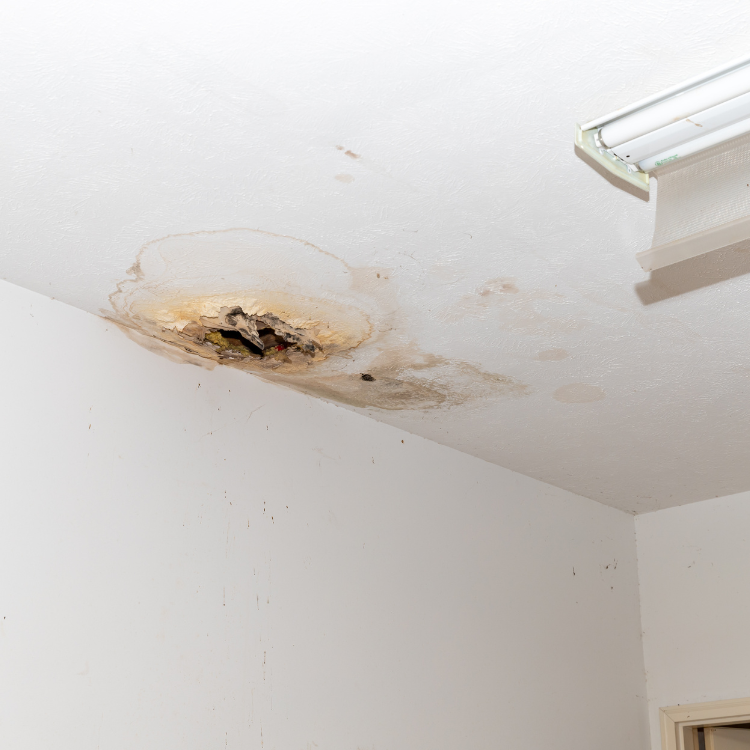
When a slab leak persists, its effects are rarely limited to the floor. Water can travel laterally along the underside of the slab, eventually pushing moisture into walls and baseboards. You might see peeling paint, swollen baseboards, or softened drywall at the bottom of a wall, even though there are no visible plumbing fixtures nearby. These symptoms often appear on interior partition walls, which confuses many homeowners; however, pipes frequently run through or alongside these walls before diving under the slab. Moisture damage concentrated near the floor line can be a strong hint that water is creeping up from below, not dripping from above.
Cracks provide another valuable set of clues. While small hairline cracks in concrete or tile are common in many homes, changes in their pattern or severity can signal a slab leak location problem. When water erodes soil under one portion of the foundation, that area can settle independently, causing new cracks or widening existing ones. If you notice a series of cracks radiating from a particular point, or a long crack that seems to sink lower on one side, that portion of the slab may be losing support because of a nearby leak. Documenting when cracks appear and how they change over time can help a professional pinpoint which part of the foundation is being undermined.
Staining on walls can also be telling. Yellowish or brownish water stains that rise a few inches from the floor are classic signs of wicking moisture. If you have ruled out roof leaks, window leaks, and plumbing inside the wall, the source may be under the slab. In some cases, you might even see efflorescence—a white, chalky residue left by minerals in the water—on masonry or concrete surfaces. This residue often appears where moisture is evaporating, so its location can give a rough outline of where water is traveling after escaping the pipe.
Baseboards themselves may warp, separate from the wall, or develop mold growth along the back side, where you cannot easily see it. A musty smell that seems to originate from the bottom of a wall, especially in a room without obvious water use, should not be ignored. When these wall and trim symptoms line up with floor issues in the same general area, the case for a slab leak in that section of the home becomes much stronger.
Plumbing System Behavior
Beyond visible damage, the behavior of your plumbing system can reveal both the presence and approximate location of a slab leak. One of the clearest signs is an unexplained, continuous sound of running water when all faucets, appliances, and fixtures are turned off. Stand in different rooms and listen carefully. If the sound is faint throughout the house but noticeably louder in a particular area—such as near a hallway or adjacent to a bathroom—that zone may be closest to the leak under the slab.
Your water meter is another powerful diagnostic tool. Turn off every water-using device in the home and verify that toilets are not refilling. Then check the meter. If the flow indicator (often a small spinning triangle or star) continues to move, you have a hidden leak somewhere. While the meter itself cannot tell you the exact location, repeating this test while systematically shutting off isolation valves to specific sections of the house can narrow down which branch of the plumbing is affected. Once you know which branch is leaking, you can cross-reference that with the layout of your home to estimate where under the slab that pipe likely runs.
Water pressure changes may also provide location hints. If certain fixtures—like a particular bathroom or kitchen sink—experience a noticeable drop in pressure while others remain normal, the problem might be on the line feeding that part of the house. When the affected fixtures are clustered in one region, and especially if that region overlaps with other physical signs like warm floors or dampness, it strengthens the suspicion that the leak lies under that portion of the slab.
Finally, watch for air in the lines. When soil shifts and pipes are stressed or partially exposed due to erosion under the slab, connections can loosen. In some cases, this allows small amounts of air to enter the plumbing. If you repeatedly hear sputtering or see bursts of air when turning on faucets, and it seems more common in one area of the home, this may be another indirect sign that something is wrong along that stretch of buried piping.
Utility Bills And Environmental Signs
While many people think of slab leak symptoms as purely structural, your monthly water bill is often the first red flag. A sudden, unexplained spike in water usage, especially when your household habits have not changed, is a strong indicator that water is escaping somewhere unseen. To connect this to a slab leak location problem, compare the timing of the bill increase with any new physical symptoms in the home. If your bill jumped in the same month you noticed a warm spot on the living room floor or new cracks along a hallway, those clues may be related.
Outdoor signs can further refine your suspicion. Water from an under-slab leak does not always stay contained beneath the house; it can travel outward and emerge in the yard. Look for persistently soggy patches of soil near the foundation, areas of unusually lush grass, or small puddles that appear even in dry weather. When these wet spots are aligned with a particular side or corner of the house, especially close to where interior symptoms are occurring, they may help you visualize the path water is taking from under the slab to the surface.
In some cases, you may detect subtle temperature or humidity changes in specific rooms. A space above a hot water slab leak might feel slightly more humid or warmer than adjacent rooms, even with the same thermostat setting. Over time, this microclimate can encourage mold growth in hidden areas, such as under baseboards or behind furniture. If you notice a persistent musty smell concentrated in one section of the home, combined with elevated utility bills and minor structural changes, it is wise to consider a slab leak as a possible cause.
Even your exterior foundation can tell a story. Inspect the visible concrete edges around your home. If one section shows more staining, algae, or mineral deposits than others, it might be receiving a constant supply of moisture from beneath. When this exterior evidence lines up with indoor clues—like cracked tile or damp carpet along the same wall—you have a stronger case that the leak is located in that general zone under the slab.
How Professionals Pinpoint The Leak
Understanding the signs on your own is invaluable, but accurately pinpointing a slab leak location usually requires professional tools and methods. Plumbers who specialize in under-slab leaks use electronic listening devices to detect the sound of water escaping under pressure. By moving the sensitive microphone across the floor and comparing noise levels, they can map out where the sound is strongest, which typically corresponds to the leak’s location. Your earlier observations about warm spots, damp areas, or cracking help guide where they begin their search.
Thermal imaging cameras are another powerful tool, especially for hot water leaks. These devices visualize temperature differences across surfaces. A hot water leak under the slab often appears as a distinct warm trail or concentrated hot area on the camera’s screen. When combined with your awareness of which rooms have unusual floor temperatures, thermal imaging can zero in on the problem area with minimal guesswork, reducing the amount of concrete that needs to be opened.
Pressure testing and isolation techniques refine the search even further. A plumber may cap off certain branches of the plumbing system and pressurize them independently, watching how quickly each section loses pressure. The section that drops pressure fastest is likely the one with the leak. From there, they correlate the plumbing layout with the home’s floor plan to predict where that branch runs under the slab. This systematic approach, informed by the visible signs you have documented, allows for precise and efficient leak location.
Some situations call for more advanced methods, such as tracer gas or small inspection holes. Tracer gas involves filling the suspected line with a safe, detectable gas and using special sensors to locate where it is escaping. In other cases, a small test hole through the slab in a suspected area may confirm the presence of moisture or flowing water. While these techniques sound invasive, they are far less disruptive than aimless demolition and are guided heavily by the surface and structural clues you noticed early on. For more detailed technical information about leak detection tools, you can refer to resources such as null.
When To Act And What To Do
Recognizing the signs of a slab leak location problem is only half the battle; acting at the right moment is equally critical. Many homeowners delay calling for help because the symptoms seem minor—a faint warm spot, a small crack, or a slightly higher water bill. However, slab leaks rarely fix themselves. The longer pressurized water escapes under your home, the more soil it can wash away, leading to uneven settling, larger cracks, and potential damage to framing, flooring, and finishes. Early action can often mean repairing a short section of pipe instead of confronting major structural repairs later.
Start by documenting what you see and feel. Note the exact locations of warm spots, damp patches, cracks, or unusual sounds. Take photos or even sketch a simple floor plan marking where symptoms occur. This record not only helps you track changes over time but also gives a plumber a head start in understanding where to focus their diagnostic tools. Turning off fixtures and checking the water meter, as described earlier, is another step you can take before a professional arrives, helping confirm that a hidden leak is present.
Once you suspect a slab leak, avoid unnecessary DIY demolition. Breaking through the slab in random spots is costly and often ineffective. Instead, contact a licensed plumber experienced in slab leak detection and explain the signs you have observed. Ask about their diagnostic methods and whether they use electronic listening, thermal imaging, or pressure testing. A well-equipped professional can usually narrow down the leak to a small area, allowing for targeted access and repair.
After the leak is repaired, continue to monitor the previously affected areas. Watch for lingering dampness, new cracks, or ongoing changes in your water bill. In some cases, a slab leak may have already caused minor foundation movement that stabilizes once the leak is fixed. If structural concerns remain, consulting with a foundation specialist can help you address any residual issues. Staying alert to future signs and scheduling periodic plumbing inspections can significantly reduce the risk of another hidden leak catching you off guard.
Frequently Asked Questions
How can I tell if a warm floor is from a slab leak or my heating system? If you have radiant floor heating, warm floors can be normal, but the warmth should be evenly distributed in the zones that are turned on. A slab leak usually creates a small, localized hot spot that does not match your heating layout and may remain warm even when the heating system is off. Compare the warm area to your thermostat and heating zones; if the floor is hot in a room or section where heat should not be active, especially near plumbing lines, a hot water slab leak is a strong possibility.
Are all cracks in tile or concrete a sign of a slab leak? No, not every crack is caused by a leak. Homes naturally settle, and minor hairline cracks can develop over time due to normal movement or temperature changes. However, cracks that appear suddenly, widen noticeably, or cluster in one area—particularly alongside other signs like dampness, musty odors, or floor warping—deserve closer attention. When structural changes and moisture-related symptoms overlap, the chance that a slab leak is involved increases significantly.
Can a slab leak be present even if my water bill looks normal? Yes, especially in the early stages. A small leak may not use enough water to cause a dramatic spike in your bill, but it can still slowly damage the soil and structure under your home. In addition, seasonal changes in water use can mask a developing problem. That is why it is important to consider your water bill alongside physical signs like warm spots, damp areas, and unusual sounds. If you suspect a leak despite a relatively stable bill, performing a meter test with all fixtures off is a smart next step.
Is it possible to locate a slab leak without tearing up my entire floor? In most cases, yes. Modern leak detection techniques are designed to minimize unnecessary demolition. Professionals use electronic listening devices, thermal imaging, and pressure testing to narrow down the leak to a small zone. While some access through the slab is usually required to repair the pipe, targeted diagnostics mean only a limited area needs to be opened. The key is to combine your observations of symptoms with the specialist’s tools, so the search area is as precise as possible.
What should I do first if I strongly suspect a slab leak? Start by confirming that water is flowing when it should not be. Turn off all water-using fixtures and appliances, then check your water meter for movement. If the meter indicates flow, shut off any accessible isolation valves to narrow down the affected area. At the same time, document all visible signs—locations of dampness, warmth, cracks, and sounds. With this information in hand, contact a licensed plumber who has experience with slab leaks and explain exactly what you are seeing and hearing. Acting quickly at this stage can significantly reduce the extent of damage and the overall repair cost.