


DIY Drain Repair Installation: What You Need

The first sign is usually small and easy to ignore: water draining slower than usual in the sink, a faint gurgling in the shower, or a damp patch under the vanity that wasn’t there last week. You might try a plunger, maybe even pour a store-bought drain cleaner down the pipe, and for a day or two things seem better. Then the problem returns, worse than before. At that point, many homeowners start to wonder whether they can tackle a DIY drain repair installation themselves instead of calling a plumber right away.

DIY drain repair installation is about more than just unclogging a pipe. It can include replacing sections of drain line, installing new traps, swapping out old, corroded fittings, or reconfiguring under-sink plumbing so it drains correctly. Done carefully, it can save a significant amount of money and give you more control over your home’s plumbing system. But it also requires preparation, the right tools, and a clear understanding of how drains are supposed to work so you don’t create a bigger mess than the one you started with.

This guide walks through what you actually need to tackle DIY drain repair installation safely and effectively. From tools and materials to planning, safety, and step-by-step strategies for common situations, you’ll see what goes into doing the job yourself, when to proceed, and when to stop and call a professional. With some patience and a methodical approach, many minor to moderate drain repairs are well within reach for a determined DIYer.

Understanding Your Drain System

Before you pick up a wrench, you need a basic understanding of how your home’s drain system is laid out and why it’s designed that way. Household drains operate purely by gravity: water flows downhill from fixtures like sinks, tubs, and showers into larger branch drains, then into the main waste line that exits the house. Along the way, vent pipes connect to the drain lines and extend through the roof to allow air into the system, preventing vacuum lock and helping water flow smoothly. If you’re planning DIY drain repair installation, knowing which pipes carry waste, which are vents, and where they connect is essential.

Every fixture typically has a trap, a curved section of pipe that holds a small amount of water at all times. This water barrier stops sewer gases from coming back into your home. Under sinks, this is usually a P-trap; under older bathtubs or certain floor drains, you might find different trap configurations. When you’re replacing or reconfiguring drains, preserving the trap function is non-negotiable. Many DIY mistakes involve eliminating or misaligning the trap, leading to odors, slow drainage, or code violations.

It’s also important to distinguish between a simple clog and a structural drain problem. A clog close to a fixture might be resolved with cleaning or replacing just the trap assembly. Repeated backups affecting multiple fixtures, or sewage backing up in a low-level drain, suggest an issue with a larger branch line or the main sewer line. DIY drain repair installation is very practical at the fixture level and for accessible under-sink or basement lines, but once you get into buried or inaccessible pipes, the risk and complexity increase significantly.

Essential Tools For DIY Drain Work

Successful DIY drain repair installation starts with the right tools. At a minimum, you’ll need an adjustable wrench, a pair of tongue-and-groove (channel lock) pliers, a hacksaw or PVC pipe cutter, a tape measure, and a good-quality utility knife. These basic hand tools allow you to loosen and tighten slip nuts, cut plastic pipe cleanly, and trim burrs or debris. Investing in a dedicated PVC cutter can make your cuts more accurate and reduce the chance of leaks due to uneven pipe edges.

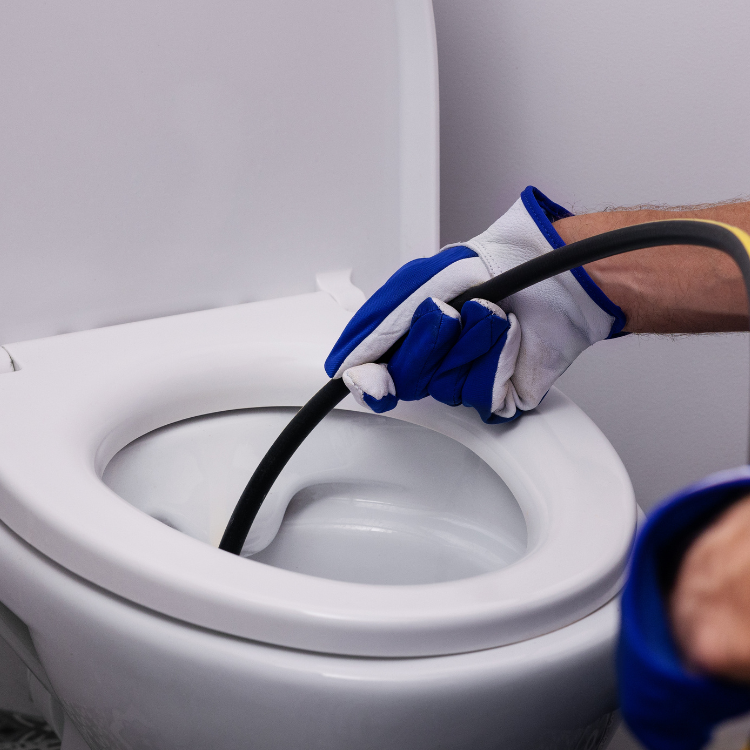
For clearing clogs and cleaning out lines before installing new parts, a small hand auger (often called a drain snake) is extremely helpful. For longer runs, especially in main drains or floor drains, renting or buying a larger drum auger or power snake can be worthwhile. While chemical drain cleaners are widely sold, they can damage older pipes and pose safety risks, especially when you’re disassembling plumbing afterwards. Mechanical tools are almost always the safer and more effective choice when you’re planning any kind of drain repair or installation.

You’ll also want a few specialty items that make the job cleaner and safer. A bucket or shallow pan to catch water when you disconnect traps, a set of rags, a flashlight or headlamp for working in cabinets or crawlspaces, and plumber’s putty or silicone for sealing certain joints around fixtures. A small level can help you ensure your new drain sections maintain the proper slope. If you plan to work on metal pipes, a pipe wrench and possibly a tubing cutter or reciprocating saw with metal-cutting blades may be necessary.

Materials You Need To Have On Hand

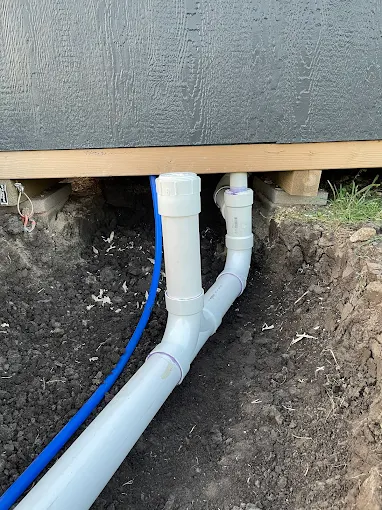
Once you have tools, you’ll need materials specifically suited for drain lines. Most modern residential drains use PVC or ABS plastic. You’ll want lengths of pipe in common diameters (typically 1 1/4-inch or 1 1/2-inch for bathroom sinks, 1 1/2-inch or 2-inch for kitchen sinks and tubs, and 3-inch or 4-inch for toilets and main lines). In addition, you’ll need the correct fittings: elbows, tees, wyes, couplings, and trap kits. Buying a few extra fittings is wise; it’s common to make a cut or glue-up that doesn’t align perfectly on the first try.

For plastic pipe, you’ll need the appropriate solvent cement and primer (if required in your area and for your pipe type). Primer cleans and softens the pipe surface, while cement chemically fuses the pieces together. Using the correct cement for PVC versus ABS is important; mixing up products can result in weak joints that eventually leak. For connections where you transition from plastic to metal, flexible rubber couplings with stainless steel clamps, often called no-hub couplings or Fernco-style fittings, can provide a reliable, code-compliant joint if used correctly.

Don’t overlook seals and gaskets. Many under-sink drain assemblies rely on compression washers, slip-joint nuts, and rubber or plastic gaskets to form a watertight seal without glue. Having an assortment of replacement washers and slip nuts on hand can save you a trip to the store if an old one cracks during disassembly. For sealing around sink strainers or tub drains, plumber’s putty is often the go-to material, though some newer fixtures specify silicone instead. Always check the manufacturer’s instructions for any fixture-specific parts you’re installing.

Planning Your DIY Drain Repair

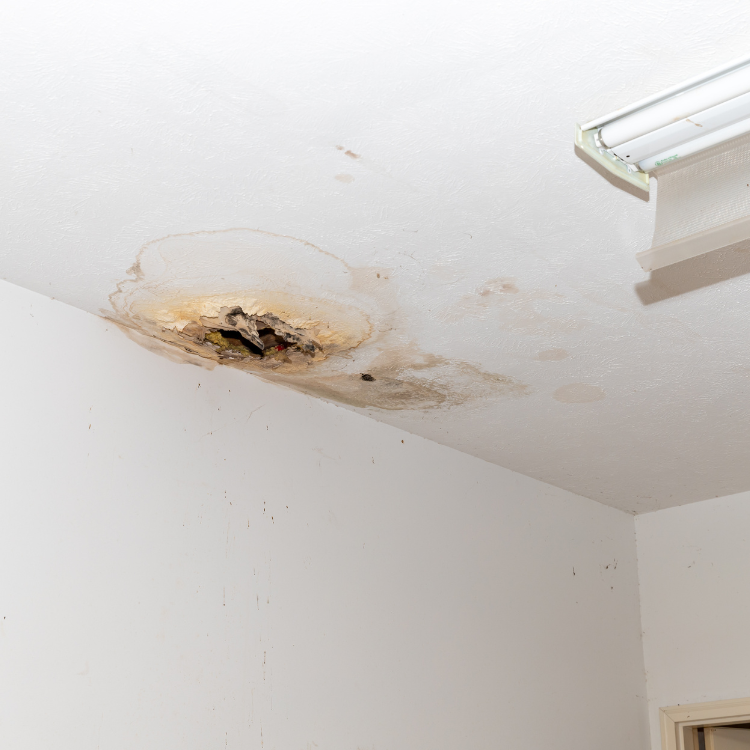
Rushing into a drain repair without a plan is one of the fastest ways to create frustration and additional leaks. Start by diagnosing the problem as clearly as you can. Is water leaking from a visible joint under the sink, or is it seeping from a wall or ceiling? Does the drain back up only at one fixture, or are multiple fixtures affected? Answering these questions will help you decide whether you’re dealing with a localized issue you can reasonably fix yourself or a larger system problem that may require professional equipment or expertise.

Once you’ve identified the likely problem area, sketch a simple diagram of the existing plumbing layout before you start taking anything apart. Note the orientation and size of pipes, the location of the trap, and how the drain connects to the wall or floor. Take photos with your phone from multiple angles. These references are extremely helpful when you’re putting everything back together, especially if you’re installing new parts that differ slightly from the old configuration.

Planning also means thinking about timing and contingencies. Choose a time to work when you can shut off water to the affected fixture without disrupting the whole household, and when you’re not under pressure to finish immediately. Keep a backup plan in mind in case the repair takes longer than expected, such as using a different sink or shower for a day. If you discover corroded metal pipes that crumble when touched, or you find signs of extensive water damage or mold, be prepared to pause your DIY drain repair installation and reassess whether this has crossed the line into a job for a licensed plumber or remediation specialist.

Step‑By‑Step: Common DIY Drain Repairs

One of the most common DIY drain repair installation tasks is replacing a leaking or poorly configured P-trap under a sink. Start by placing a bucket under the trap and loosening the slip nuts by hand or with pliers. Once the trap is removed, inspect it for blockages and cracks. If your plan is to install a new trap assembly, dry-fit all the pieces first, adjusting the length of the tailpiece or horizontal run as needed. Only once you’re sure everything lines up should you tighten the slip nuts snugly by hand, then give a slight additional turn with pliers if necessary. Over-tightening can crack plastic fittings.

For a partially clogged drain where water still moves but slowly, you might combine cleaning with minor reconfiguration. After removing the trap, run a small hand auger into the wall pipe to clear built-up debris. Then, when reinstalling, check the slope of the horizontal section leading to the wall. Drains need a slight downward pitch (often around 1/4 inch per foot) to flow properly; a perfectly level or upward-sloping run can cause recurring clogs. Adjusting this slope with new fittings or by trimming pipe lengths is a practical part of DIY drain installation.

Another frequent scenario involves replacing a corroded metal drain arm or tailpiece with plastic. After removing the old metal parts, clean the threads at the sink strainer or fixture connection. Install new plastic pieces in the same configuration, using appropriate washers and seals. When transitioning from metal to plastic in the wall or floor, use a proper adapter or coupling. This is where flexible couplings can be useful, but they must be sized correctly and tightened evenly. After any installation, run water for several minutes while watching every joint closely for drips, then recheck again an hour later to make sure no slow leaks appear.

Safety, Codes, And When To Call A Pro

Even though drain lines carry wastewater rather than pressurized drinking water, safety still matters. Always wear gloves and eye protection when working on drains, especially if chemical cleaners have been used in the past. Drain water can contain bacteria and other contaminants, so avoid direct contact with skin and wash thoroughly after the job. If you smell strong sewer gas, that can indicate a missing or failed trap, a broken vent line, or a more serious system issue; prolonged exposure is unhealthy and requires prompt attention.

Building and plumbing codes exist to keep drainage systems sanitary and functional. While you may not need to memorize code books, it’s wise to familiarize yourself with basic requirements, such as minimum pipe sizes, proper trap configurations, and venting rules. Some jurisdictions allow homeowners to perform their own plumbing work, while others require permits or licensed contractors for certain types of jobs. If your DIY drain repair installation involves moving drains, adding new fixtures, or altering venting, it’s worth checking local regulations or consulting with a professional to avoid problems during future inspections or home sales.

Knowing your limits is part of safe DIY. If you encounter persistent blockages in the main sewer line, tree root intrusion, collapsed pipes, or repeated backups affecting toilets and multiple drains, those are strong indicators that specialized equipment and expertise are needed. Likewise, if cutting into walls, concrete slabs, or complex multi-story drain stacks is required, the risk of causing extensive damage rises quickly. In those cases, calling a licensed plumber is usually the most cost-effective choice in the long run, even if the upfront cost seems higher than a DIY attempt.

Frequently Asked Questions

How do I know if my drain issue is suitable for DIY repair? Generally, issues localized to a single fixture, such as a leaking P-trap under a sink, a slow-draining shower, or a visible crack in an accessible drain pipe, are reasonable DIY projects if you’re comfortable with basic tools. If multiple fixtures are backing up at once, toilets are involved, or sewage is coming up through floor drains, the problem likely lies in a main line that requires professional equipment, such as a camera inspection or power auger. When in doubt, start with simple, non-destructive checks like cleaning the trap and using a small hand auger before deciding whether to proceed further.

What slope should my drain pipes have? Most residential drain lines need a slight downward slope to allow gravity to carry wastewater away efficiently. A common guideline is about 1/4 inch of fall per foot of horizontal run for small-diameter pipes. Too little slope can cause water to stagnate and solids to settle, leading to clogs, while too much slope can cause water to outrun solids, also creating buildup. When installing or adjusting drain pipes, use a level and tape measure to verify that the slope falls within recommended ranges, and make adjustments with fittings or hangers as necessary.

Can I mix PVC and ABS pipe in the same drain system? Many homes have both PVC and ABS in different sections, especially if work has been done at different times. However, directly gluing PVC to ABS with standard cement is not appropriate. If you need to connect the two, use a transition cement approved for that purpose or a mechanical coupling designed for mixed materials. Always check local codes, as some areas have specific rules about which materials are allowed and how they can be joined. When in doubt, ask at a reputable plumbing supply store or consult a licensed plumber.

Why does my sink still smell bad after I cleaned the drain? Persistent odors can come from several sources. The trap may not be holding water if it’s incorrectly installed, cracked, or evaporating in an infrequently used fixture, allowing sewer gas to enter. Biofilm or debris further down the line, beyond the trap, can also produce smells, requiring more thorough cleaning with an auger or enzymatic cleaner. In some cases, venting problems can cause odors to be drawn into the room. If cleaning the trap, confirming water in the trap, and flushing the line don’t solve the issue, it may be time to have the venting and deeper sections of the drain system inspected.

Is there a resource where I can learn more before starting? Many manufacturers provide installation guides and diagrams for their drain components, and local hardware stores often offer basic plumbing workshops. You can also review homeowner-focused plumbing resources online, such as null, to see diagrams, troubleshooting tips, and product recommendations. Combining these references with a careful, step-by-step approach will make your DIY drain repair installation safer, more efficient, and more likely to succeed on the first try.

Leave a Comment

Your email address will not be published. Required fields are marked *

Call
Contact
Search Website
Contact
Call
Text
Email