


Plumbing services in Keller, TX

Expert Drain Repair Installation Services Explained

Slow drains, recurring clogs, mysterious damp patches, and bad odours from sinks are more than just annoyances; they are early warning signs that your drainage system is struggling. Ignoring them can quickly turn a small issue into a major repair, involving excavation, property damage, and high costs. That is why understanding expert drain repair installation services matters right now: it helps homeowners and property managers make informed decisions before a minor fault escalates into a full-blown emergency.

Modern drain repair is no longer just about unblocking pipes with a plunger or pouring chemicals down the sink. Professional services now combine diagnostic technology, advanced repair techniques, and long-term planning to restore your drainage system with minimal disruption. When you know what expert drain repair installation actually involves, you are better equipped to choose the right contractor, ask the right questions, and protect your property from future problems. Rather than seeing drain work as a mysterious process that happens underground, you can see it as a structured, technical service with clear steps, standards, and expectations.

Expert drain repair installation services are especially important because drainage systems are hidden. You cannot easily see cracks, collapsed sections, or root intrusion in buried pipes, so you rely heavily on the competence and honesty of the professionals you hire. By demystifying how these services work—from inspection to repair options and installation methods—you gain clarity and confidence. You also learn how to spot warning signs early, understand what a fair quote looks like, and recognise when short-term patch jobs could cost you far more in the long run.

How Professional Drain Diagnosis Works

Every effective drain repair installation starts with a proper diagnosis. Professionals do not guess; they investigate. Instead of relying on symptoms alone, they use specialised tools to see exactly what is happening inside the pipes. One of the most important tools is the CCTV drain camera, a small, high-resolution camera mounted on a flexible cable. This camera is fed into your drains through an access point, sending live video to a monitor so technicians can spot cracks, blockages, misaligned joints, or collapsed sections in real time.

This kind of visual inspection is critical because the same symptom—like frequent clogs—can have very different causes. It might be a simple build-up of grease and debris, or it could be tree roots breaking into the pipe at multiple joints. Without a clear picture, any repair is guesswork, and guesswork often leads to repeat problems and extra expense. With expert diagnosis, the drain repair team can map out the exact length and location of the damaged sections, making their proposed solution far more precise and cost-effective.

In addition to cameras, professionals may use other diagnostic methods, such as dye testing, smoke testing, or pressure testing. Dye testing can help trace where water is leaking or where drains connect, especially in complex systems or older properties. Smoke testing can reveal hidden breaks or cross-connections by pushing harmless smoke through the system and observing where it emerges. Pressure testing is sometimes used on certain types of pipes to confirm integrity under load. All of these techniques are part of a structured assessment process that leads to a targeted, tailored repair plan rather than a one-size-fits-all approach.

Once the assessment is complete, a reputable drain repair service will provide a detailed explanation of the findings, often with video footage or images captured during the inspection. This transparency allows you to see the problem for yourself rather than relying solely on verbal descriptions. You should expect a clear breakdown of recommended works, alternative options where possible, and an explanation of how each option affects cost, disruption, and long-term reliability. This is where expert guidance truly matters: it bridges the gap between technical information and practical decisions for your property.

Common Drain Problems And Their Causes

Understanding what typically goes wrong with drains helps you appreciate why expert repair and installation services are so important. One of the most frequent issues is root intrusion, where tree and shrub roots seek out moisture and nutrients, pushing through tiny cracks or joints in the pipe. Over time, these roots expand and create significant blockages, eventually breaking or collapsing the pipe. This is especially common in older clay or concrete pipes, but even modern systems are not immune if joints are compromised.

Another common problem is pipe misalignment or ground movement. Changes in soil conditions, heavy traffic, construction work, or natural settlement can cause sections of pipe to shift, creating offsets or dips (known as bellies) where waste and debris accumulate. These low spots slow down the flow of water, increasing the risk of clogs and backups. In more severe cases, the pipe may crack or separate completely, allowing wastewater to leak into surrounding soil and potentially undermine foundations or landscaping.

Corrosion and material degradation are also major factors, particularly in older metal or cast iron systems. Over decades, internal corrosion can thin the pipe walls, leading to leaks, rough surfaces, and eventual failure. Even plastic pipes can be damaged by improper installation, heavy loads, or chemical exposure. In addition, many properties face recurring blockages caused by everyday misuse—flushing wipes, pouring fats and oils down sinks, or introducing foreign objects that drains are not designed to handle. While these issues may start as simple clogs, repeated blockages can stress the system and reveal deeper weaknesses.

Surface water drainage problems add another layer of complexity. Poorly installed or blocked yard drains, gutters, and downpipes can cause standing water, erosion, and dampness around the building. If stormwater and foul water systems are incorrectly connected or overwhelmed, you may experience flooding, foul smells, or contamination risks. Expert drain repair installation services consider the entire system—both below and above ground—ensuring that each part works together efficiently rather than addressing issues in isolation.

Modern Drain Repair Methods Explained

Once the problem is diagnosed, the next step is choosing the right repair method. Traditional drain repair often meant excavation: digging down to expose the damaged pipe, removing the faulty section, and replacing it with new pipework. While excavation is still sometimes necessary, especially for severely collapsed pipes or where access is limited, it can be disruptive, time-consuming, and costly. It often involves breaking through driveways, patios, or landscaped areas, followed by extensive reinstatement work.

To reduce disruption, modern drain specialists frequently use trenchless or “no-dig” repair techniques. One widely used method is drain lining (also called cured-in-place pipe lining). A resin-saturated liner is inserted into the existing pipe and then inflated, pressing it against the inner walls. Once cured, it forms a new, smooth, and durable pipe within the old one. This technique is particularly effective for repairing cracks, minor collapses, and root-damaged sections, often without the need for large-scale digging.

Another trenchless method is patch lining, which targets specific sections rather than the entire pipe run. A shorter liner or patch is positioned precisely over the damaged area, providing a localised repair that strengthens weak points without relining the full length. This can be a cost-effective solution when most of the pipe is sound but isolated defects are causing problems. In some cases, robotic cutters are used in conjunction with lining to reopen branch connections or remove stubborn obstructions from within the pipe.

Pipe bursting is yet another advanced technique, used when a pipe is too damaged to line effectively or needs to be upsized. A bursting head is pulled through the old pipe, breaking it apart while simultaneously pulling a new pipe into place. This allows for complete replacement with minimal surface disruption, though it does require entry and exit points. Expert drain repair technicians will weigh all these options—excavation, lining, patching, or bursting—based on pipe condition, location, access, and budget, then explain why a specific technique is recommended for your property.

What Professional Installation Really Involves

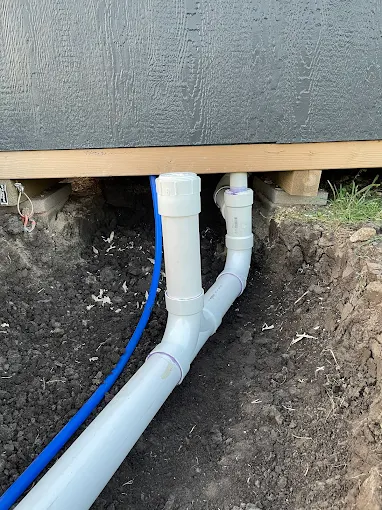
Drain installation, whether for new builds, extensions, or replacement of failed systems, is far more than simply laying pipes in a trench. Professional installation services begin with careful planning and design. This includes calculating gradients to ensure adequate flow, selecting appropriate pipe diameters and materials, and complying with local building codes and standards. Incorrect gradients can lead to slow drainage or solids settling in the pipe, while undersized pipes may struggle to cope with peak flows during heavy use or storms.

Site conditions play a major role in installation decisions. Soil type, existing utilities, groundwater levels, and access constraints must all be considered. For example, clay soils may require additional support or bedding to prevent movement, while high water tables might necessitate special techniques to keep trenches stable and prevent pipes from floating before backfilling. Professional installers also plan for proper access points, such as inspection chambers and rodding eyes, so that future maintenance and cleaning can be carried out without unnecessary excavation.

During the installation process, quality control is essential. Pipes must be joined correctly, with seals properly seated and joints aligned to avoid future leaks or root intrusion. Bedding materials are carefully selected and compacted to support the pipe without causing damage. Before backfilling, many professionals carry out tests—such as water or air pressure tests—to confirm the integrity of the system. Some also conduct post-installation CCTV inspections to document the condition of the new drains and provide evidence that the work meets required standards.

Once the physical installation is complete, reinstatement and finishing work should restore the site as close as possible to its original condition. This might involve relaying paving, replanting lawns, or repairing driveways. A thorough service includes clear documentation of what was installed, where it runs, and any access points created. This information is invaluable for future works, maintenance, or if you plan to sell the property, as it demonstrates that your drainage system has been professionally designed and installed.

Choosing The Right Drain Specialist

Selecting the right expert for drain repair installation services can make the difference between a long-lasting solution and repeated headaches. Start by looking for companies or professionals with specific experience in drainage, not just general plumbing. While many plumbers handle minor drain issues, complex repairs and installations often require dedicated drainage expertise and specialised equipment. Check for relevant certifications, training, and memberships in recognised trade bodies where applicable.

Transparency is another key factor. A reputable specialist will be willing to show you CCTV footage, explain their findings in plain language, and outline all viable options rather than pushing the most expensive solution. They should provide written quotes that clearly break down labour, materials, equipment, and any reinstatement costs. Be cautious of vague estimates or quotes that seem unusually low without a clear explanation; these may indicate cut corners, hidden extras, or a lack of proper diagnosis.

Customer feedback and case studies can provide valuable insight into how a company operates. Look for reviews that mention punctuality, cleanliness, communication, and how well issues were resolved long-term. Ask whether the company offers guarantees or warranties on their work, especially for trenchless repairs and new installations. A solid guarantee indicates confidence in materials and workmanship, and gives you reassurance should any problems emerge later.

Finally, pay attention to how potential contractors handle your initial enquiry. Do they ask detailed questions about your symptoms and property? Do they recommend an inspection before suggesting major work? Do they explain potential risks and limitations honestly? Professionalism at this early stage often reflects how they will manage the entire project. When you choose a truly expert drain repair installation service, you are investing not just in pipes and fittings, but in technical knowledge, problem-solving, and long-term protection for your home or building.

Preventive Care And Long-Term Value

One of the major advantages of working with expert drain specialists is the opportunity to move from reactive repairs to preventive care. After resolving immediate issues, a good technician will often recommend maintenance strategies tailored to your system. This might include periodic CCTV inspections, scheduled cleaning for high-use commercial drains, or installing access points to simplify future servicing. These proactive steps can dramatically reduce the likelihood of sudden blockages, overflows, or structural failures.

Education is a central part of preventive care. Professionals can advise on what should and should not go down your drains, how to manage kitchen waste more responsibly, and how to spot early warning signs of trouble. Simple changes—like using drain strainers, properly disposing of fats and oils, and avoiding flushing wipes—can extend the life of your pipes and reduce the need for emergency callouts. When combined with occasional professional cleaning, these habits help keep your drainage system running efficiently.

From a financial perspective, investing in expert drain repair and installation often pays for itself over time. High-quality materials, correct installation techniques, and appropriate repair methods reduce the risk of repeat issues that require additional work. Avoiding large-scale excavation through trenchless solutions can also protect the value of your landscaping, driveways, and outdoor spaces. Over the life of a property, the cost difference between cutting corners and doing the job properly can be substantial, especially when you factor in potential water damage, structural problems, or health risks from leaks and contamination.

Ultimately, expert drain repair installation services are about more than fixing pipes; they are about safeguarding your property, health, and peace of mind. By understanding how these services work—diagnosis, repair methods, installation standards, and preventive care—you can make informed choices and partner effectively with professionals. If you want to explore more about drainage solutions or connect with specialists, you can start by visiting null, then use what you have learned here to ask the right questions and evaluate the options available to you.

Frequently Asked Questions

How do I know if I need professional drain repair instead of a simple unblock? While occasional slow drains can sometimes be resolved with basic cleaning, certain signs indicate a deeper problem that needs expert attention. Recurring blockages in the same location, gurgling noises, foul odours, water backing up into sinks or toilets, and damp patches in your yard or near foundations all suggest potential structural issues. If you have tried basic methods and the problem keeps returning, or if multiple fixtures are affected at once, a professional CCTV inspection is usually the best next step. This allows a specialist to determine whether you are dealing with a simple obstruction or a damaged, misaligned, or collapsed pipe.

What is the difference between drain cleaning and drain repair? Drain cleaning focuses on removing blockages and build-up inside the pipe to restore normal flow. This might involve mechanical rodding, high-pressure water jetting, or other techniques to clear debris, grease, and scale. Drain repair, on the other hand, addresses physical damage to the pipe itself—such as cracks, breaks, root intrusion, or collapsed sections. While cleaning can relieve symptoms temporarily, it will not fix structural issues. In many cases, professionals will clean a drain first to improve visibility, then carry out a CCTV inspection and, if needed, perform repairs using lining, patching, or replacement methods.

Are trenchless drain repairs as durable as traditional excavation and replacement? When carried out by experienced professionals using high-quality materials, trenchless repairs like drain lining can be extremely durable and long-lasting. Many lining systems are designed with life expectancies comparable to new pipes, often several decades or more. The key factors are proper diagnosis, correct preparation and cleaning of the host pipe, and precise installation and curing of the liner. In some situations—such as severely deformed or completely collapsed pipes—full excavation and replacement may still be necessary. A reputable specialist will explain whether trenchless methods are suitable for your specific case and what kind of warranty or guarantee they provide.

How long does a typical drain repair or installation take? The duration depends heavily on the complexity of the job, the length and depth of the pipework, access conditions, and the chosen repair method. A straightforward trenchless patch repair on an accessible section might be completed in a few hours. Full-length lining of a residential drain run could take a day or two, including preparation and curing time. Large excavation projects, replacements under driveways, or complex commercial installations may require several days or longer. During the initial assessment, professionals should give you a realistic time estimate and explain any factors that might extend the schedule, such as weather, ground conditions, or the need to coordinate with other trades.

What can I do to prevent future drain problems after a repair? After a professional repair, you can significantly reduce the risk of future issues by combining good usage habits with occasional maintenance. Avoid flushing wipes, sanitary products, and other non-degradable items, and never pour fats, oils, or large amounts of food waste down sinks. Use strainers on plugholes to catch hair and debris, and clean them regularly. For properties with heavy usage or extensive tree cover, consider scheduling periodic inspections or cleaning with a drain specialist to catch early signs of root intrusion or build-up. Keeping records of previous repairs and installations will also help future technicians understand your system and maintain it more effectively.

Leave a Comment

Your email address will not be published. Required fields are marked *

Call
Contact
Search Website
Contact
Call
Text
Email